


A Guide to Black History & Heritage in Charleston
Charleston’s history is inseparable from the experiences, contributions, and resilience of generations of African Americans who helped shape the city and the Lowcountry. From nationally significant museums and historic sites to Gullah cultural traditions, guided tours, and Black-owned restaurants, there are meaningful opportunities to explore this history throughout the year.
Black History Month offers a particularly meaningful time to seek out these stories, but they are an essential part of understanding Charleston in every season. For guests of Wentworth Mansion®, many of the city’s most important museums, historic sites, and cultural experiences are within easy reach of our home in the Historic District.

Visit the International African American Museum (IAAM)
The International African American Museum stands at Gadsden’s Wharf, a site of profound significance in the history of the transatlantic slave trade. Through immersive exhibitions, historic artifacts, genealogy resources, and the African Ancestors Memorial Garden, the museum explores the histories, cultures, and contributions of people of African descent in Charleston, across the United States, and throughout the African Diaspora.
Take a Tour
A guided tour can provide deeper context for understanding Charleston’s Black history, bringing greater perspective to the people, places, and traditions that shaped the city and the Lowcountry.
- Gullah Tours: Explore the places, history, and stories that are relevant to the rich and varied contributions made by Black Charlestonians.
- Frankly Charleston: Franklin Williams offers “the other Charleston through immersive, interactive, truth-centered Black history tours”. Frankly Charleston has been featured in Condé Nast, Forbes, Fodor’s Travel, and The Miami Herald.
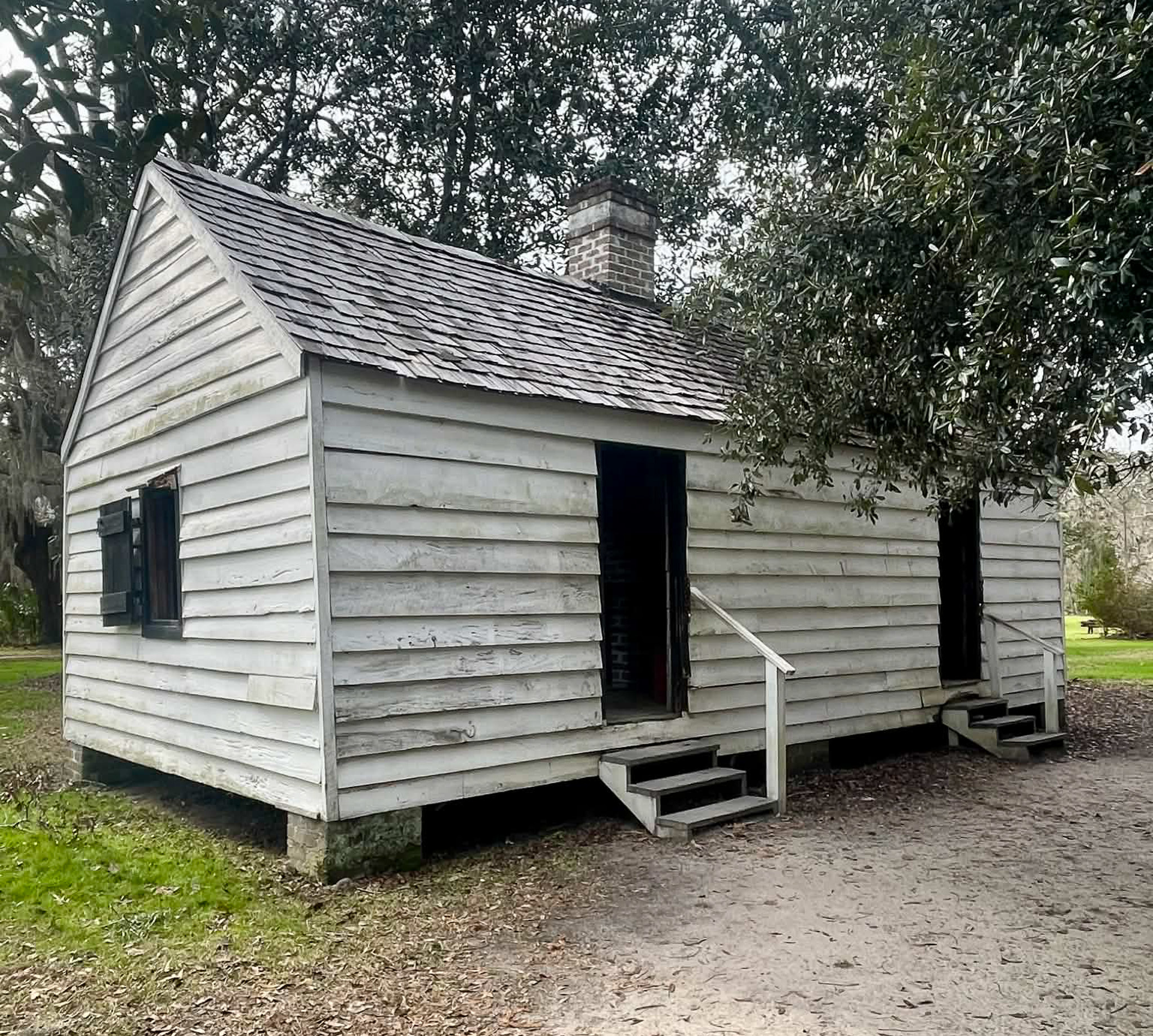
- From Slavery to Freedom Tour: This guided experience at Magnolia Plantation and Gardens explores the institution of slavery, the domestic slave trade, and the systems that sustained plantation life, providing essential background for understanding the lives of those who lived and labored there. Guests are then invited to examine daily life on a rice plantation and explore the historic cabins on their own.
Visit the Old Slave Mart Museum
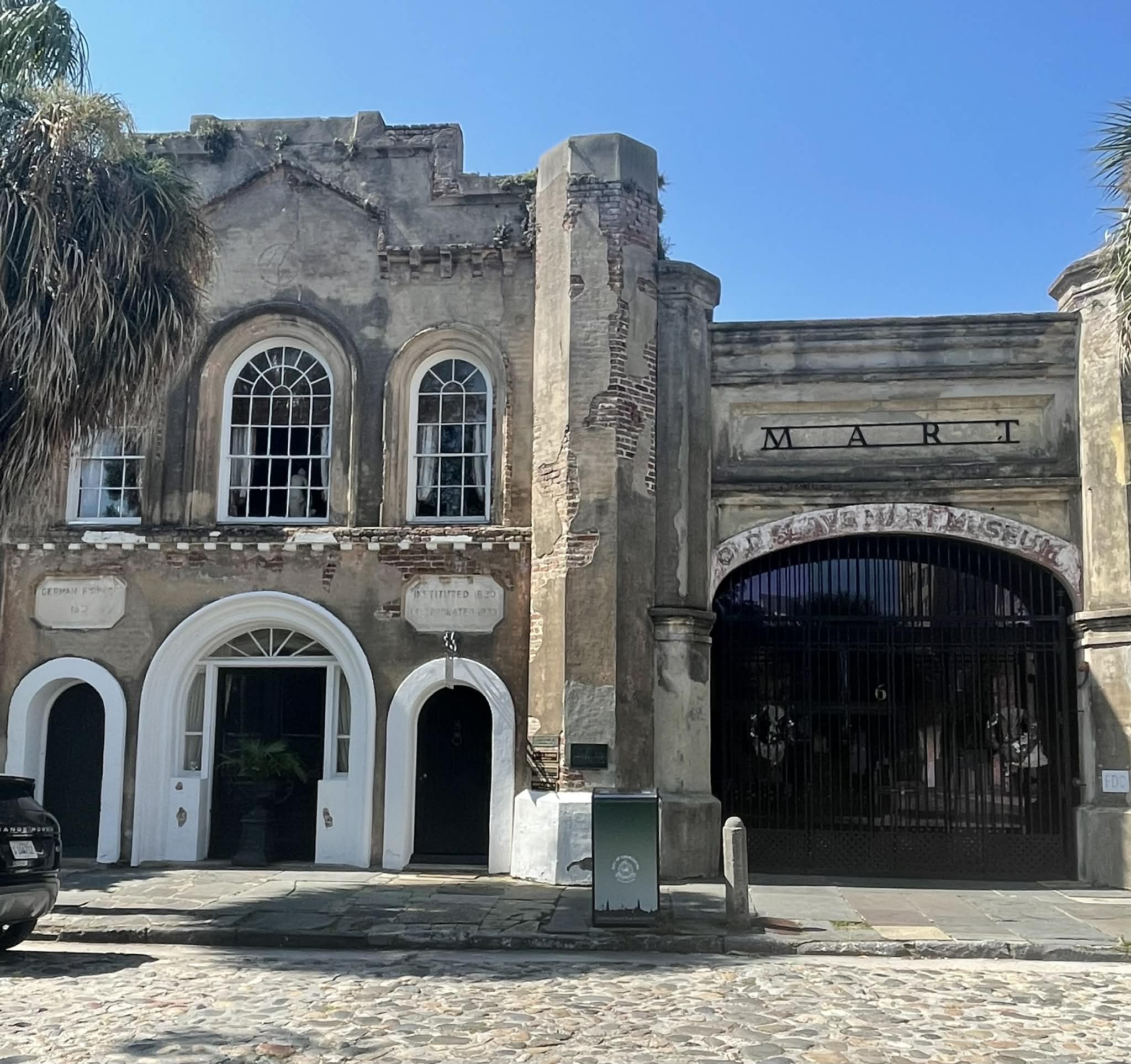
The Old Slave Mart Museum is housed in a building that was once part of Ryan’s Mart, a complex used for the sale of enslaved people in Charleston during the 19th century. Today, the museum shares the history of Charleston’s domestic slave trade through exhibits, artifacts, and personal accounts, offering important context for understanding this chapter of the city’s history.
Explore Eliza’s House at Middleton Place
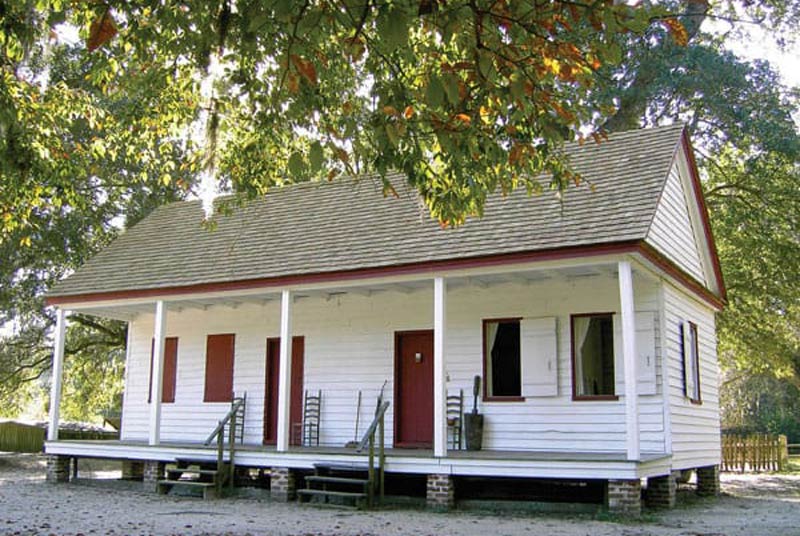
Eliza’s House is a Reconstruction-era African American freedman’s dwelling at Middleton Place and home to the permanent Beyond the Fields exhibit. Drawing on extensive research, the exhibit explores the lives and experiences of generations of enslaved people at Middleton Place. A central panel preserves the names of more than 2,800 African and African American men, women, and children enslaved by the Middleton family. The house is named for its last resident, Eliza Leach.
Visit Fort Moultrie
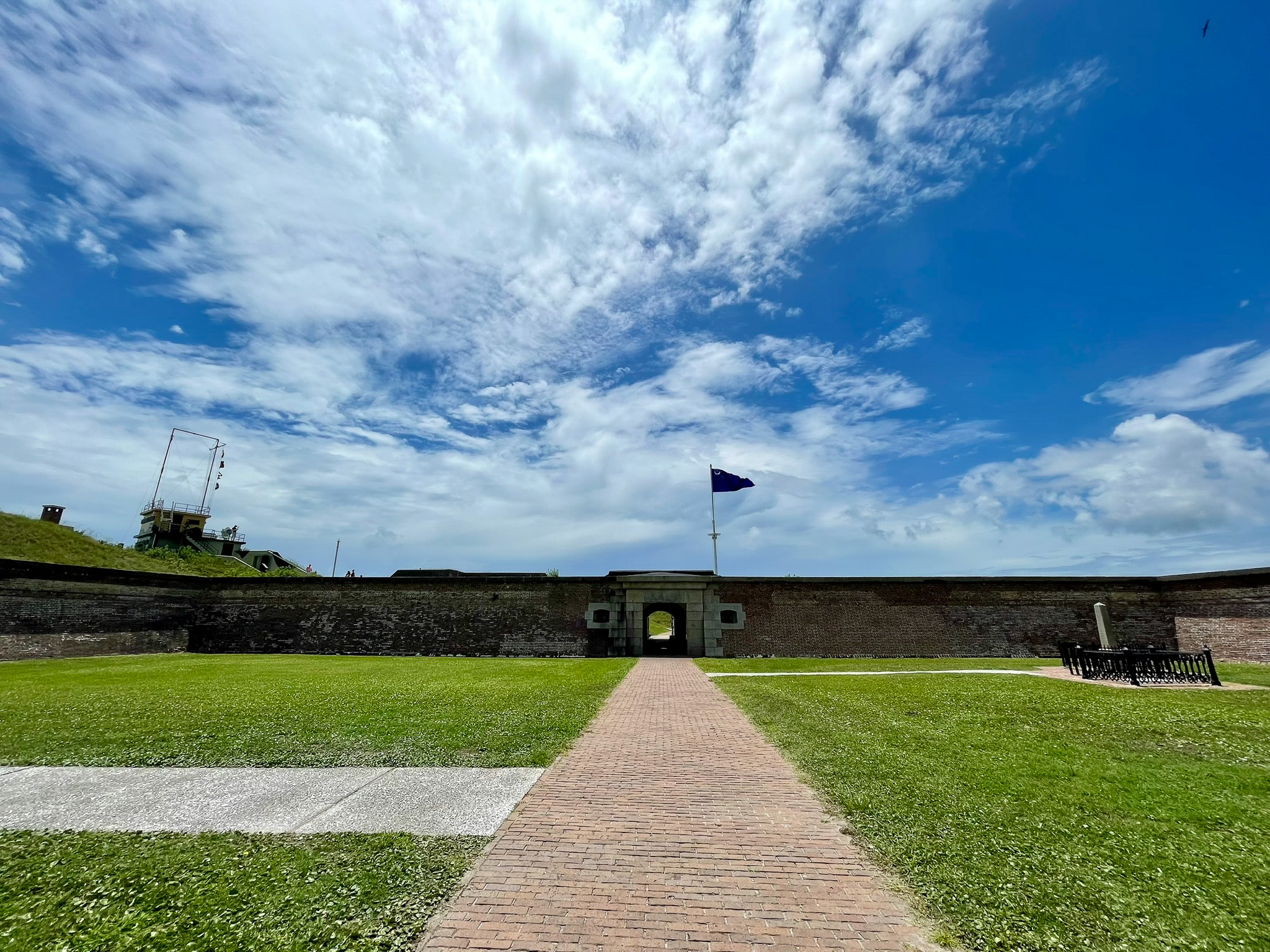
On Sullivan’s Island, Fort Moultrie offers an important perspective on Charleston’s Black history. Sullivan’s Island served as a major point of entry and quarantine site for enslaved Africans brought to the Carolina colony during the transatlantic slave trade. Today, visitors can learn about this history while exploring the fort and surrounding area. Nearby, a “Bench by the Road,” placed as part of the Toni Morrison Society’s memorial initiative, honors the memory of enslaved Africans who arrived through Charleston Harbor.

Support Black-Owned Culinary Traditions
Charleston’s Black culinary traditions are an essential part of the Lowcountry’s food story. Black-owned restaurants throughout the city continue to celebrate and evolve these traditions, offering another meaningful way to experience Charleston’s culture and community. A few places to consider include:
- Hannibal’s Kitchen: Famous for the best shrimp and grits in Charleston and their signature shrimp & crab rice dish.
- My 3 Sons of Charleston: Offers a modern twist on original Charleston dishes ranging from deviled crab to chicken & waffles, priding themselves on something for everyone to eat!
- Bintu Atelier: Experience the vibrant flavors of Africa. Enjoy Egusi on Wednesdays and Thursdays, and Thieboudienne on Fridays and Saturdays.
Exploring Charleston’s Black history offers a deeper understanding of the people, traditions, and experiences that shaped the city and continue to influence it today. Whether your day takes you through the galleries of the International African American Museum, along Charleston’s historic streets, or farther into the Lowcountry, these places and stories reveal an essential part of Charleston’s past and present.
From Wentworth Mansion®, guests are well positioned to explore this history throughout the city while returning at day’s end to one of Charleston’s most distinctive historic residences.