

The Story of the Rooftop Cupola at Wentworth Mansion®
There is a place near the top of Wentworth Mansion® where the house gives way to the sky.
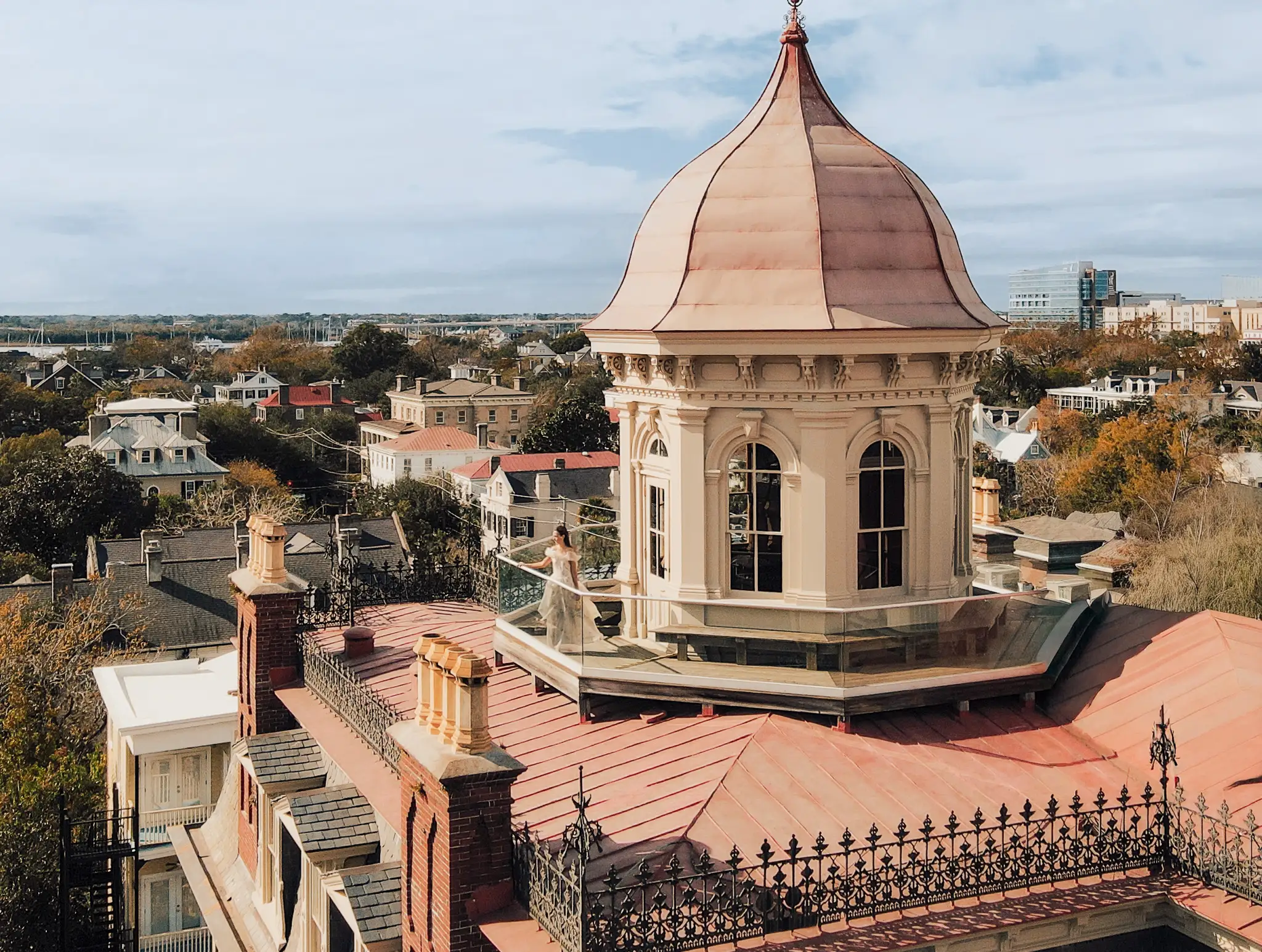
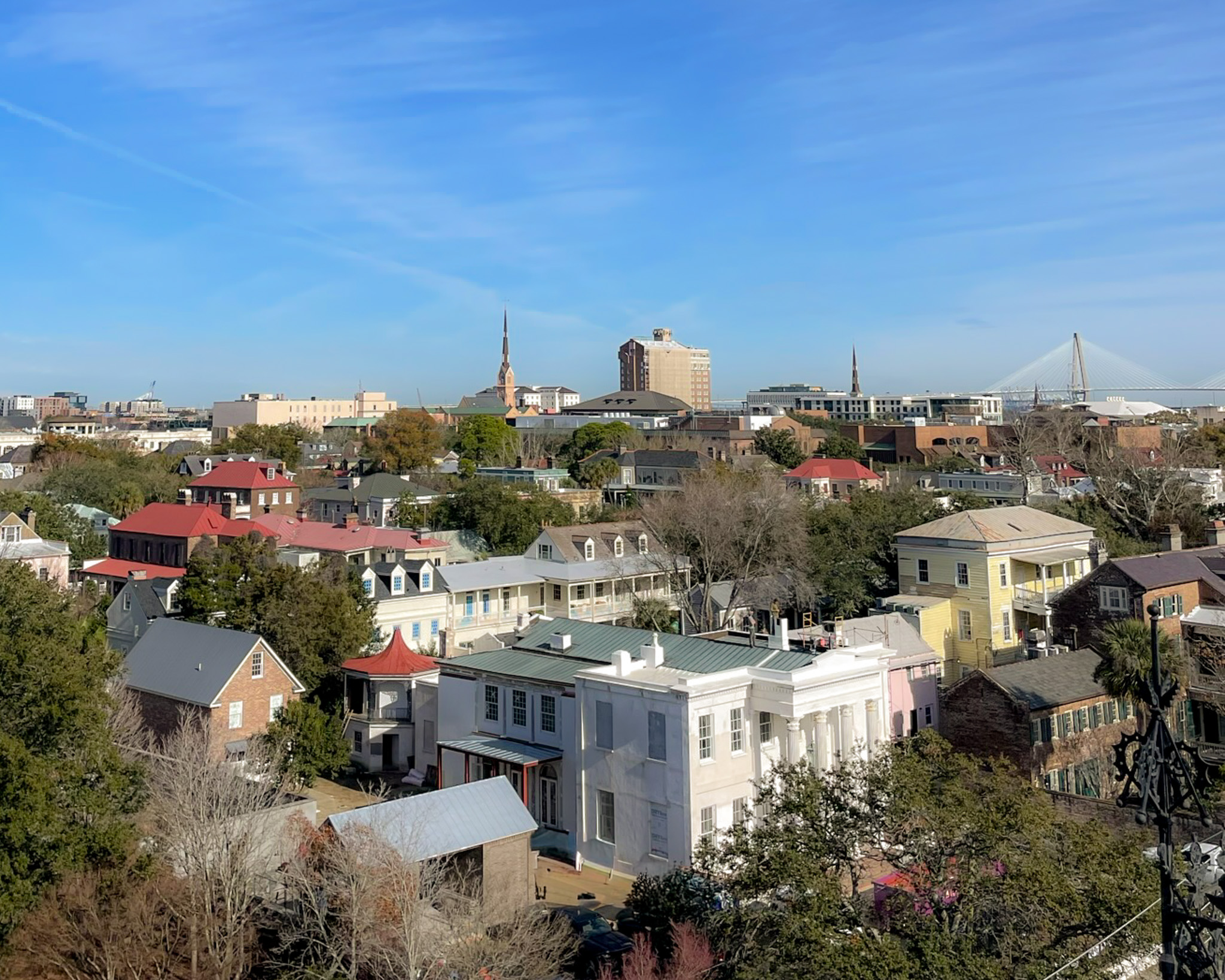
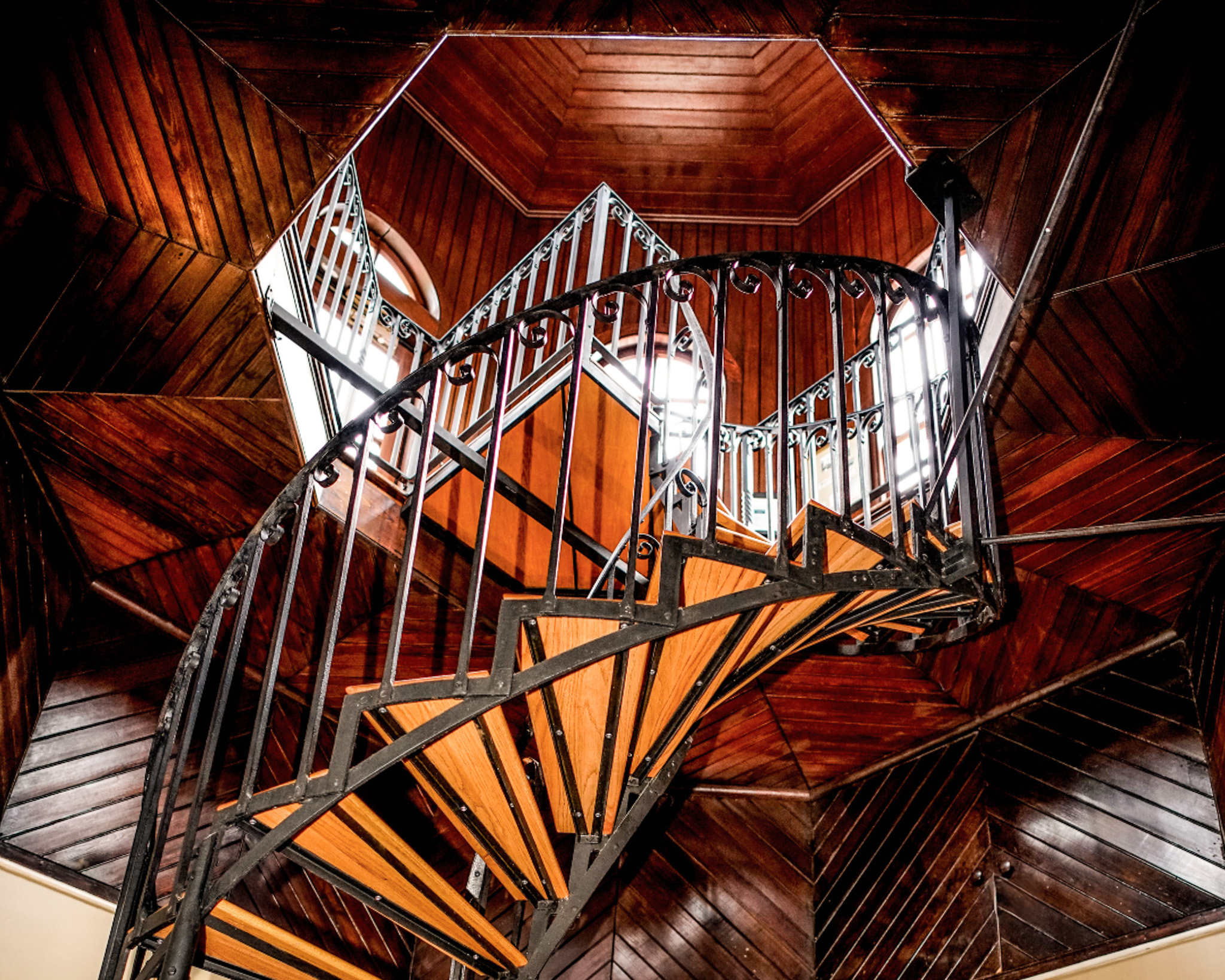
Climb the spiral staircase—an experience available only to guests—to the rooftop cupola, and Charleston begins to unfold around you. Church steeples rise above historic rooftops. The Ashley and Cooper Rivers appear in the distance. From the balcony, the city can be seen in every direction.
Today, it is one of the Mansion’s most memorable experiences.
But the cupola has been watching over Charleston for more than a century, and its story is intertwined with the architecture of Wentworth Mansion®, the man who built it, and a city that has long understood the importance of preserving the past.
A Mansion Designed to Stand Apart
When Francis Silas Rodgers set out to build a home for his family in the 1880s, he created something remarkable even by Charleston standards.
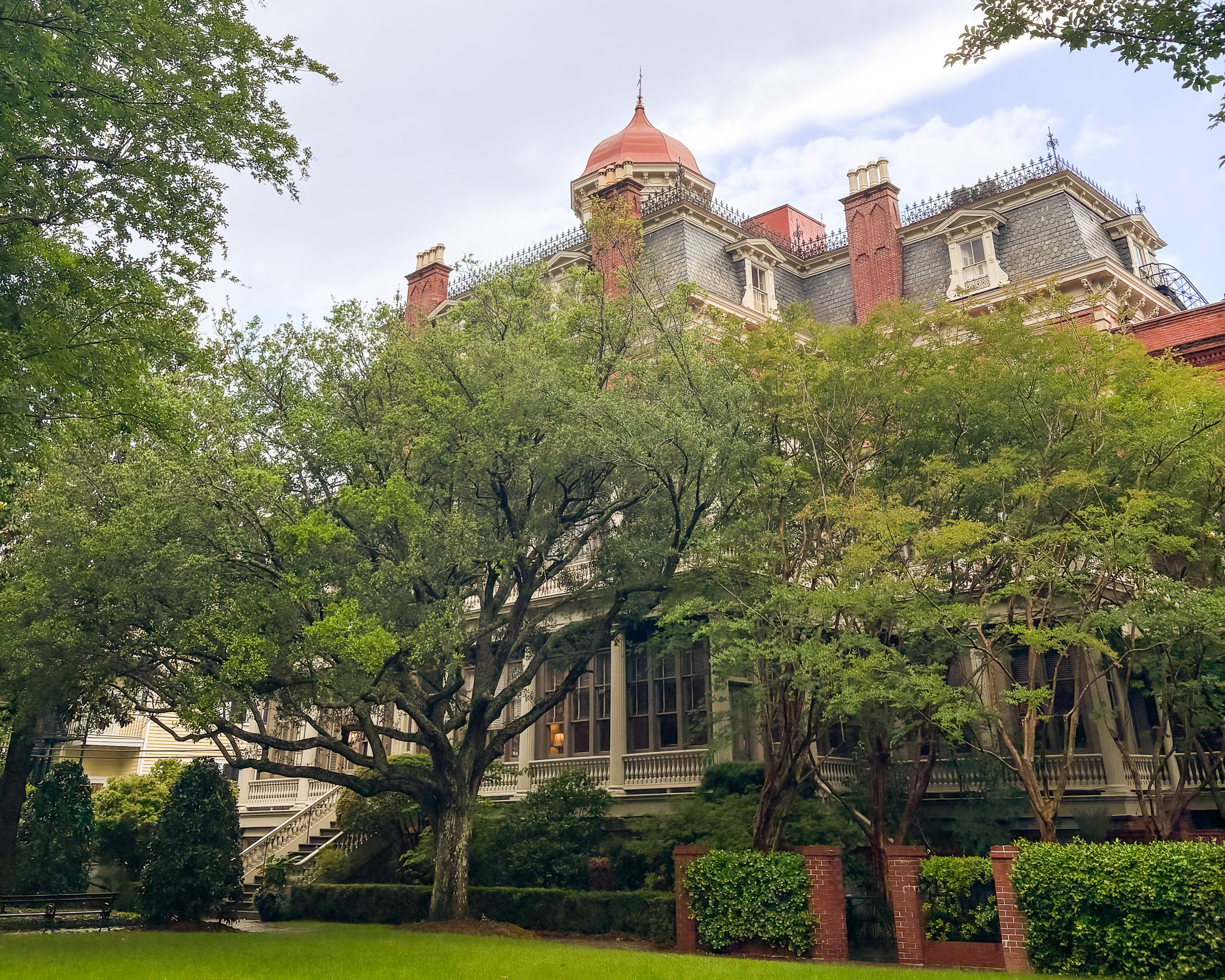
Designed by architect Daniel G. Wayne, the four-story residence was built in the Second Empire style, an architectural movement distinguished by elaborate ornamentation and, most notably, the mansard roof.
At Wentworth Mansion®, that roofline culminates in one of the home’s defining features: a domed cupola rising high above the surrounding neighborhood. Historic Charleston Foundation describes the property as a particularly notable example of Second Empire architecture, with its mansard roof, Philadelphia red brick, stone detailing, and distinctive cupola.
The cupola was not simply added to the house generations later; it was there from the beginning. Surrounded by cast-iron railing, the cupola afforded the Rodgers family a panoramic view of the entire city.
A View with a Story
The cupola becomes even more intriguing when considered alongside Francis Silas Rodgers himself.
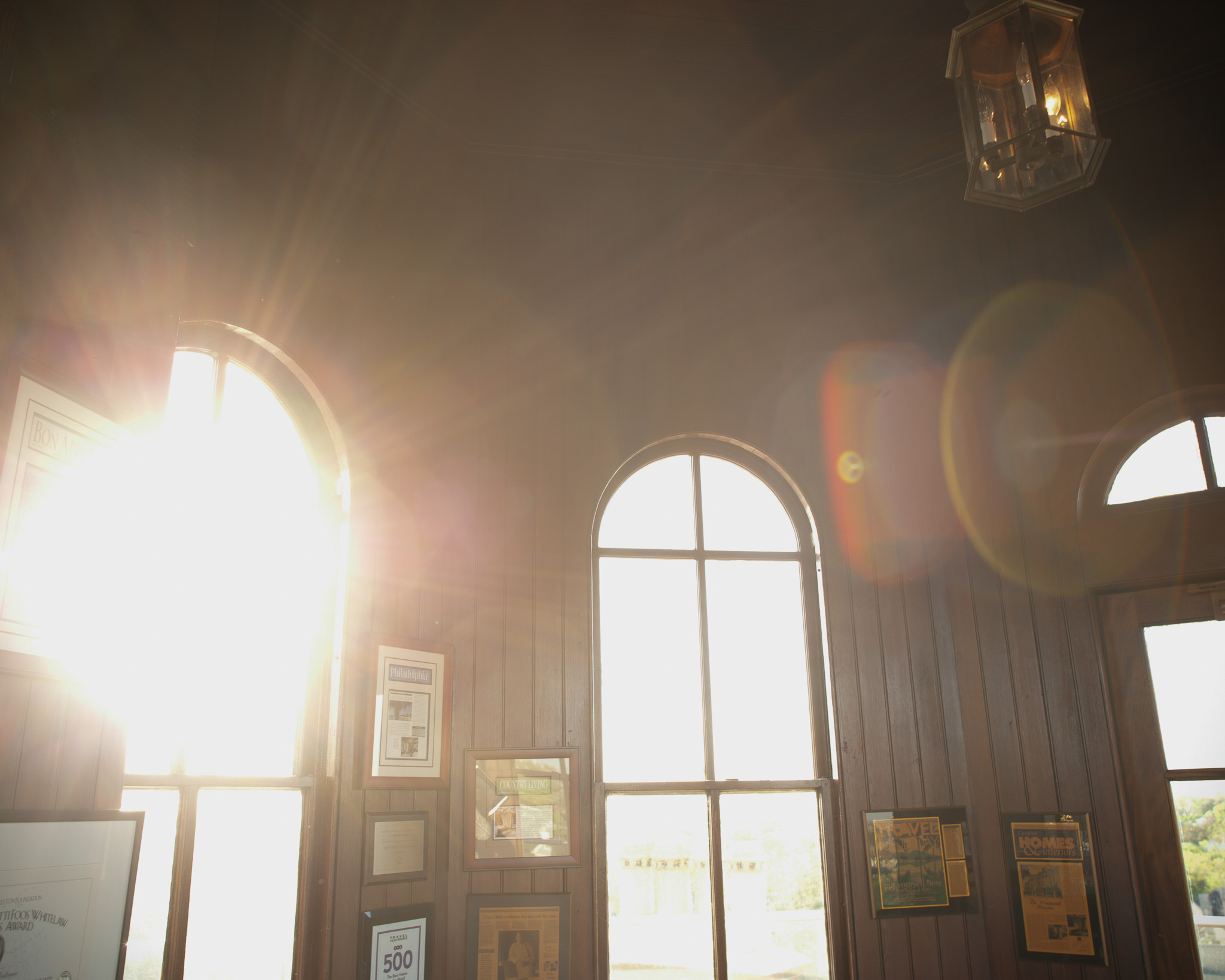
Rodgers was a successful Charleston businessman, but his interests extended well beyond his own home. He served for several years on Charleston City Council and spent three decades as a City Firemaster, including many years as chairman of the Board of Firemasters. His commitment to the city’s fire protection was deeply personal. Contemporary accounts describe Rodgers as attending fires throughout Charleston and remaining actively involved in the department even late in his life.
That commitment appears to have influenced the Mansion itself. The property originally included a water tower used for fire protection. According to Rodgers family tradition, Charleston’s fire department could not pump water high enough to reach the house when it was built, and the tower provided an additional source of protection. Historical research suggests Rodgers’ years as Firemaster may have influenced his planning for the home’s water and fire-prevention systems.
It is tempting, then, to imagine Rodgers climbing to the cupola and looking across the city he worked so diligently to protect.
Whether the cupola itself was designed to serve as a private fire watch, we don’t know for sure. But we do know that Rodgers built a home with an extraordinary view overlooking the city he served—and that, from the cupola, he could see Charleston stretching out before him.
A House That Survived Charleston's Great Earthquake
The Mansion itself was still relatively new when Charleston was shaken by one of the most consequential events in the city’s history.
By the summer of 1886, the Rodgers residence was virtually complete. Then, on August 31, a powerful earthquake struck Charleston, damaging buildings throughout the city. The Mansion sustained damage but survived, with repairs made afterward.
The house would go on to endure much more change.
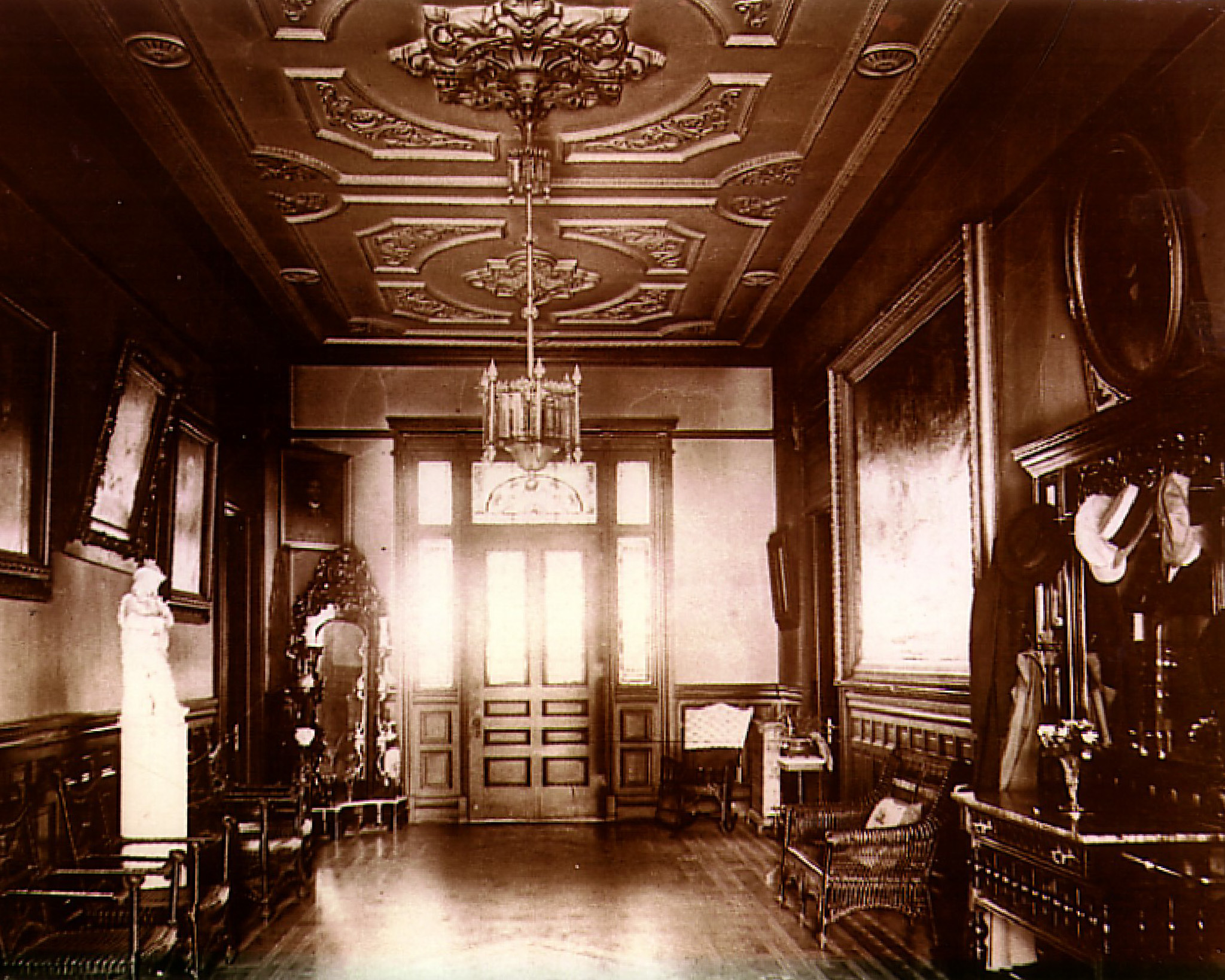
The Rodgers family eventually sold the property in 1920 to the Scottish Rite Cathedral Association. Twenty years later, it became the headquarters of the Atlantic Coast Life Insurance Company before being purchased in 1997 and painstakingly restored as Wentworth Mansion®. During that restoration, many of the home’s defining architectural details were preserved, including its original staircase, inlaid floors, Tiffany glass, and other craftsmanship that had survived generations of changing use.
And above it all, the cupola remained.
Charleston from Above
Today, the purpose of climbing to the cupola is much simpler. To view the Holy City.
Step outside and the Mansion suddenly feels connected to the whole of Charleston.
From this elevated perch, the city’s geography becomes easier to understand. Historic rooftops stretch toward the harbor. Church steeples punctuate the skyline. The Ashley and Cooper Rivers frame the peninsula in the distance.
The view changes throughout the day.
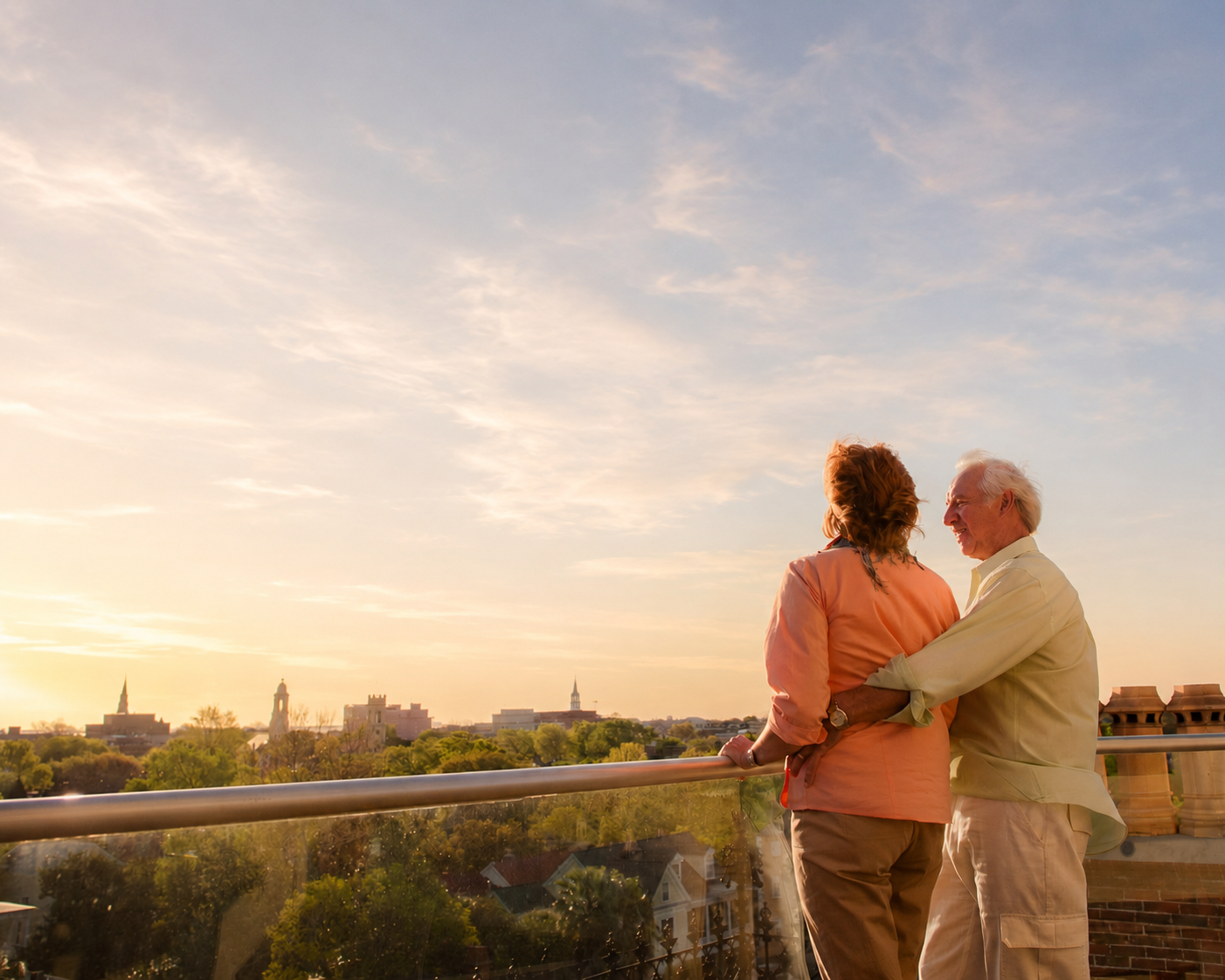
Morning brings softer light and a city beginning to stir. In the afternoon, rooftops and steeples stretch clearly toward the horizon. And as evening approaches, Charleston takes on another character entirely as the light begins to settle across the peninsula.
The panorama is breathtaking, but it is the details that make you linger.
A familiar steeple seen from an unfamiliar angle. A rooftop you passed earlier that day. The distant shimmer of water. The realization that the streets you’ve been exploring below are part of a much larger landscape.
Charleston looks different from up here.
Perhaps that is why the cupola has also become a place for some of the Mansion’s most personal moments. Over the years, guests have climbed to the rooftop to propose, choosing the Charleston skyline as the backdrop to the beginning of a new chapter. There is an undeniable romance to the setting—a quiet perch above the city that, for a few moments, can feel entirely your own.
Preserving the View
Perhaps the most remarkable thing about the cupola isn’t that Francis Silas Rodgers could stand here in the nineteenth century.
It’s that guests of Wentworth Mansion® still can.
The home has lived several lives since it was a private family residence. Yet the details that give the house its character have remained remarkably intact: carved marble fireplaces, Tiffany stained glass, intricate woodwork, soaring ceilings, the grand staircase—and, high above it all, the cupola.
Preserving a historic building is ultimately about more than preserving beautiful objects.
It is about preserving experiences.
Walking the same staircase. Looking through the same windows. Standing somewhere another person stood generations before and seeing a city that has changed enormously while remaining unmistakably Charleston.
That connection between past and present is part of what makes staying in a historic home different from simply visiting one.
You get to live among the history for a little while.
One More Climb Before You Leave
There are beautiful dinners, historic homes, gardens, galleries, and long walks beneath live oaks. There are mornings spent wandering and evenings that stretch later than expected.
And then there are the quieter moments that somehow stay with you.
Climbing one more flight of stairs.
Stepping outside.
And discovering Charleston waiting below.
For generations, the rooftop cupola at Wentworth Mansion® has offered that view. The skyline has changed. The house has changed. Generations have come and gone.
But from the top of the Mansion, Charleston still has a remarkable way of making you stop and look.