

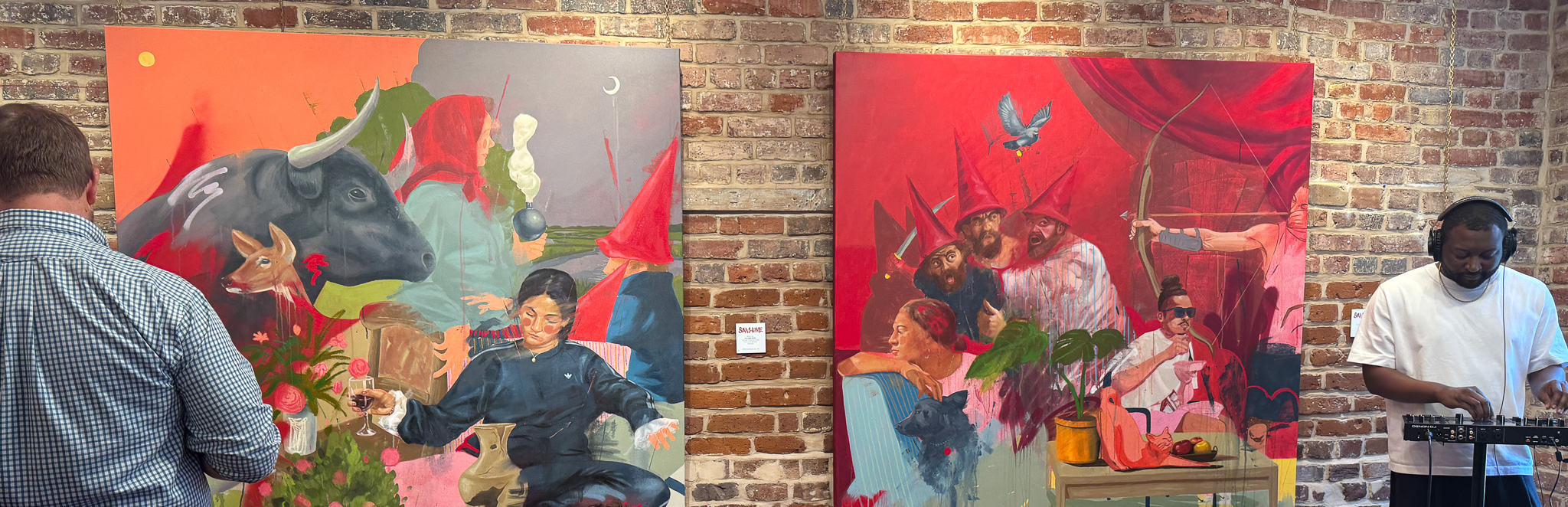
A Guide to Charleston's Art & Culture
Its beauty reveals itself not only through architecture and history, but through performance, preservation, storytelling, craftsmanship, and artistic expression woven into everyday life. Music drifts from historic sanctuaries. Galleries quietly line centuries-old streets. Theater unfolds inside buildings that have stood for generations. Even a slow afternoon spent wandering Charleston often feels like moving through a living work of art.
For travelers drawn to culture, Charleston rewards curiosity. Whether stepping inside museums that illuminate the city’s layered history, lingering in galleries showcasing Lowcountry artists, attending a performance beneath historic chandeliers, or visiting during the citywide energy of Spoleto Festival USA, Charleston invites visitors to experience the city thoughtfully—and slowly.
Museums That Tell Charleston’s Story
Charleston’s museums offer more than collections. At their best, they help visitors understand the people, traditions, artistry, and historical forces that continue to shape the city today.
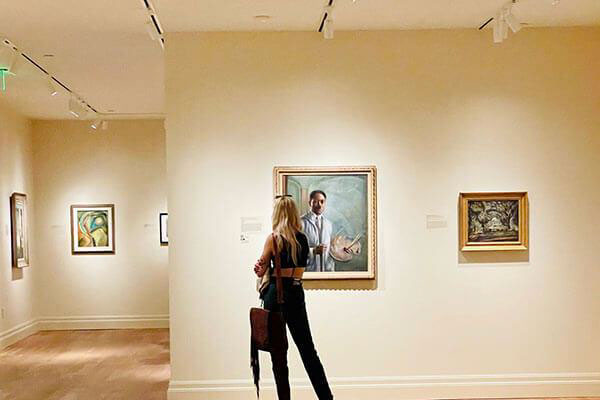
Gibbs Museum of Art
Located in the heart of Charleston’s Historic District, the Gibbes Museum of Art offers one of the city’s richest introductions to Southern and Lowcountry artistic traditions.
The museum’s collection spans centuries of painting, sculpture, decorative arts, and contemporary works, helping visitors understand Charleston not simply as a historic destination, but as a place continually shaped by creativity. Rotating exhibitions ensure every visit feels slightly different, while the museum itself—housed in a striking Beaux Arts building—remains one of Charleston’s architectural treasures.
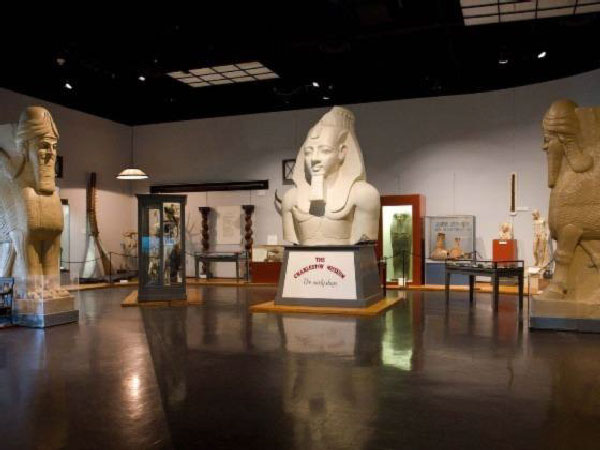
Charleston Museum
Founded in 1773, The Charleston Museum holds the distinction of being America’s first museum.
Its exhibits offer insight into Charleston’s natural history, decorative arts, military history, and evolving cultural identity, helping visitors place the city within a larger historical context. Rather than telling a single story, the museum reveals Charleston through many lenses—colonial prosperity, preservation, craftsmanship, regional ecology, and everyday life.
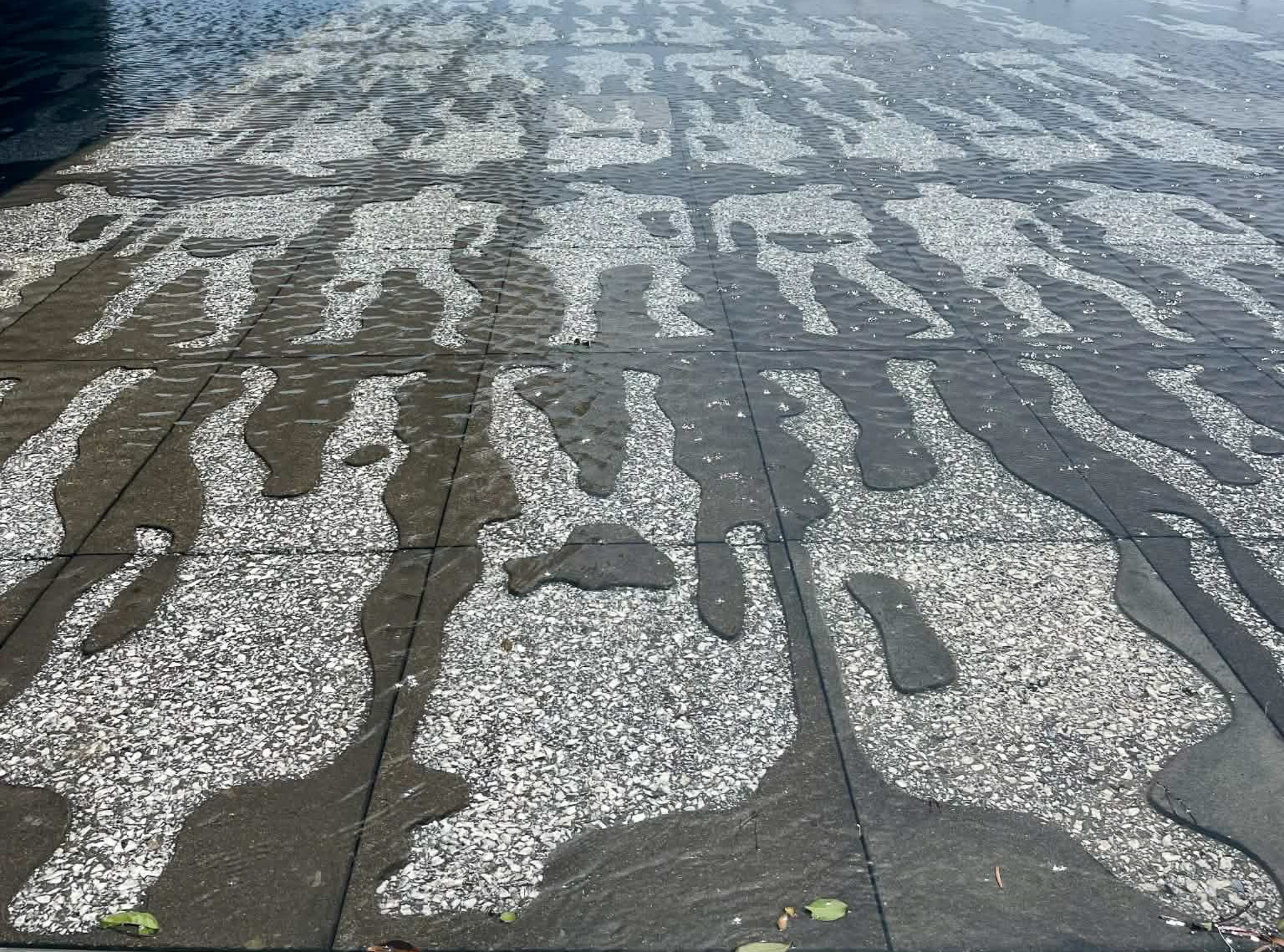
International African American Museum
Few cultural institutions feel more essential to understanding Charleston than the International African American Museum.
Located at Gadsden’s Wharf—where an estimated forty percent of enslaved Africans entered North America—the museum offers powerful and deeply moving exhibitions exploring resilience, memory, culture, and the enduring influence of African American history on Charleston and the nation.
Thoughtfully curated and emotionally resonant, the experience provides important context for understanding Charleston more fully and honestly.
Galleries Worth Wandering
Tucked along Broad Street, Church Street, and throughout the French Quarter, galleries quietly invite visitors inside to experience everything from Lowcountry landscapes and contemporary abstraction to sculpture, portraiture, and mixed media.
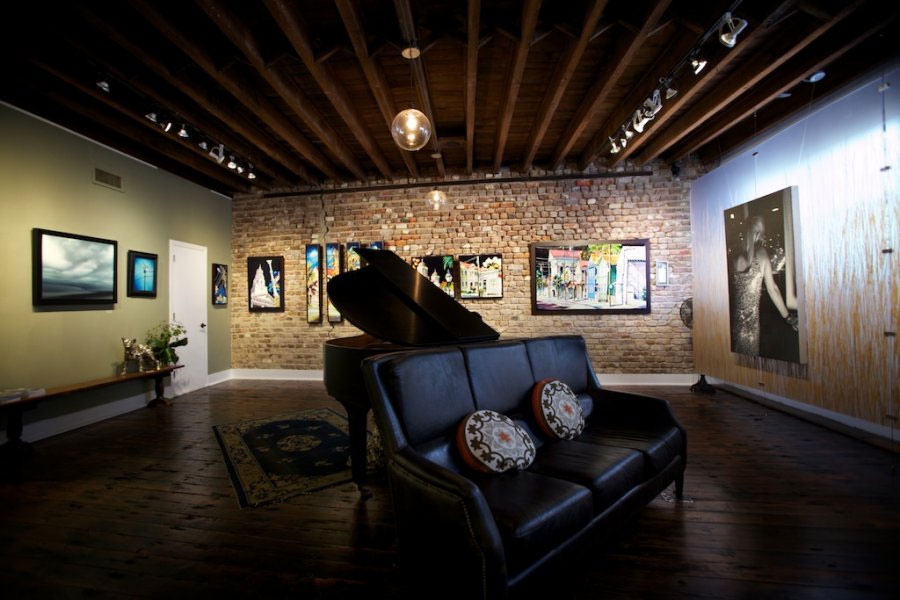
Robert Lange Studios
Known for both nationally recognized artists and emerging voices, Robert Lange Studios offers an approachable yet sophisticated gallery experience in Charleston’s French Quarter. Visitors often find themselves lingering in conversation, discovering works that feel deeply connected to landscape, memory, and storytelling.
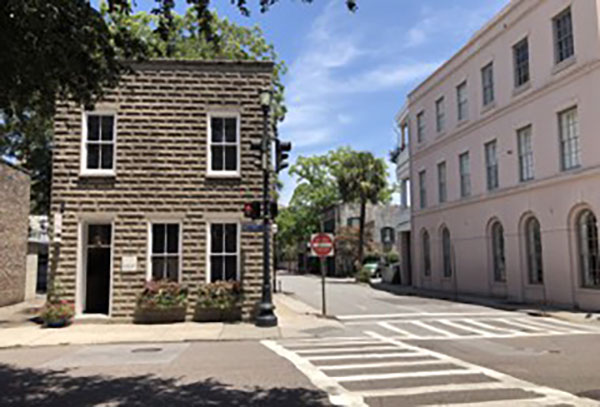
Meyer Vogl Gallery
A longtime Charleston institution, Meyer Vogl Gallery presents contemporary Southern artists whose work often reflects the textures, colors, and atmosphere of the Lowcountry. The space feels polished yet welcoming, particularly for visitors seeking to better understand Charleston through regional artistic expression.
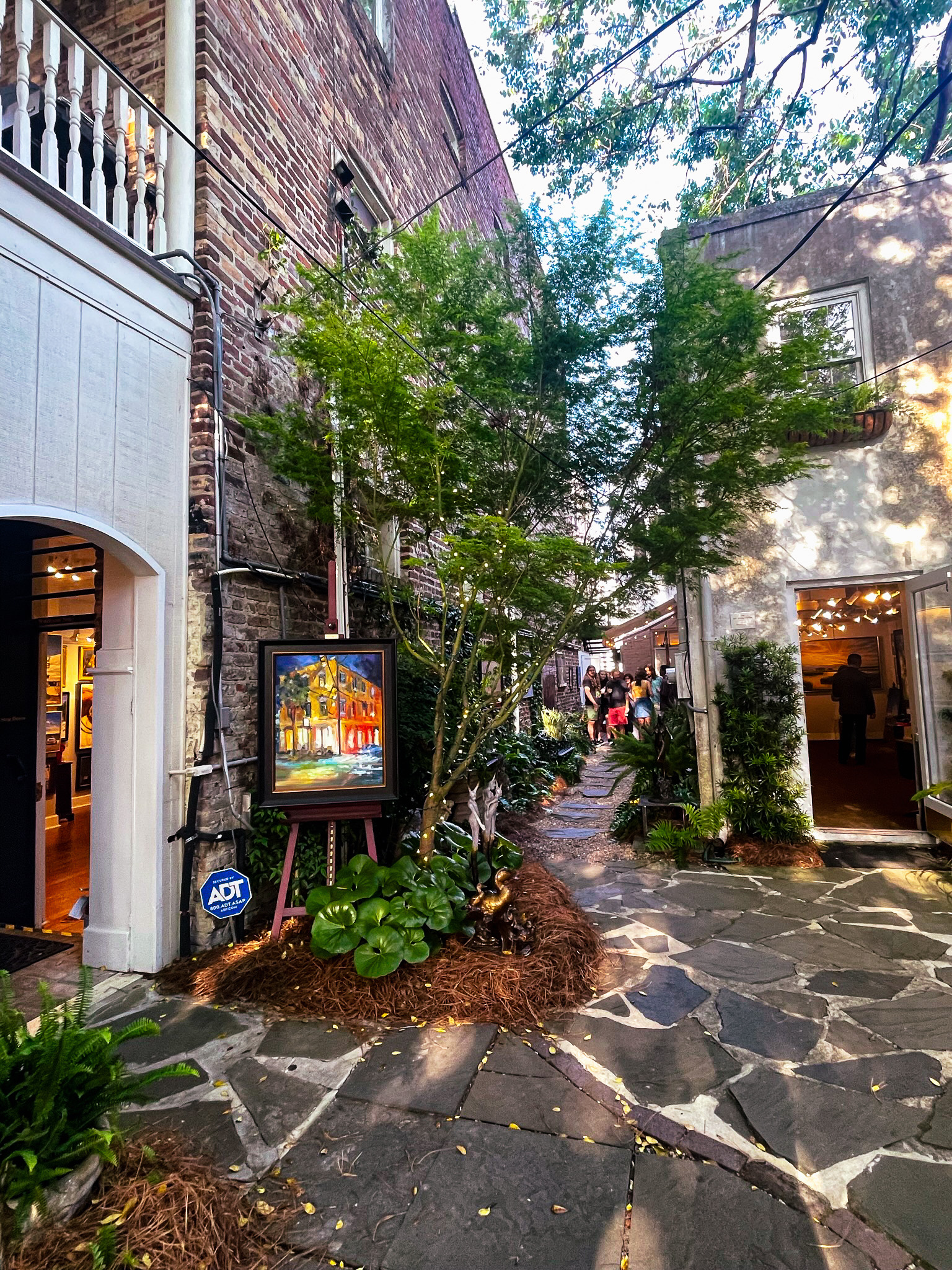
Reinert Fine Art
Located on historic Broad Street, Reinert Fine Art presents a thoughtful mix of traditional and contemporary works within an elegant gallery setting. The experience feels distinctly Charleston: refined, quiet, and unhurried.
More than destinations to check off a list, Charleston’s galleries invite slower exploration. Some of the city’s most memorable cultural moments happen unexpectedly—while stepping inside to escape the afternoon heat and emerging inspired an hour later.
Historic Stages, Music, & Performance
For generations, music, theater, and performance have shaped the city’s identity, unfolding inside spaces where history and creativity continue to meet.
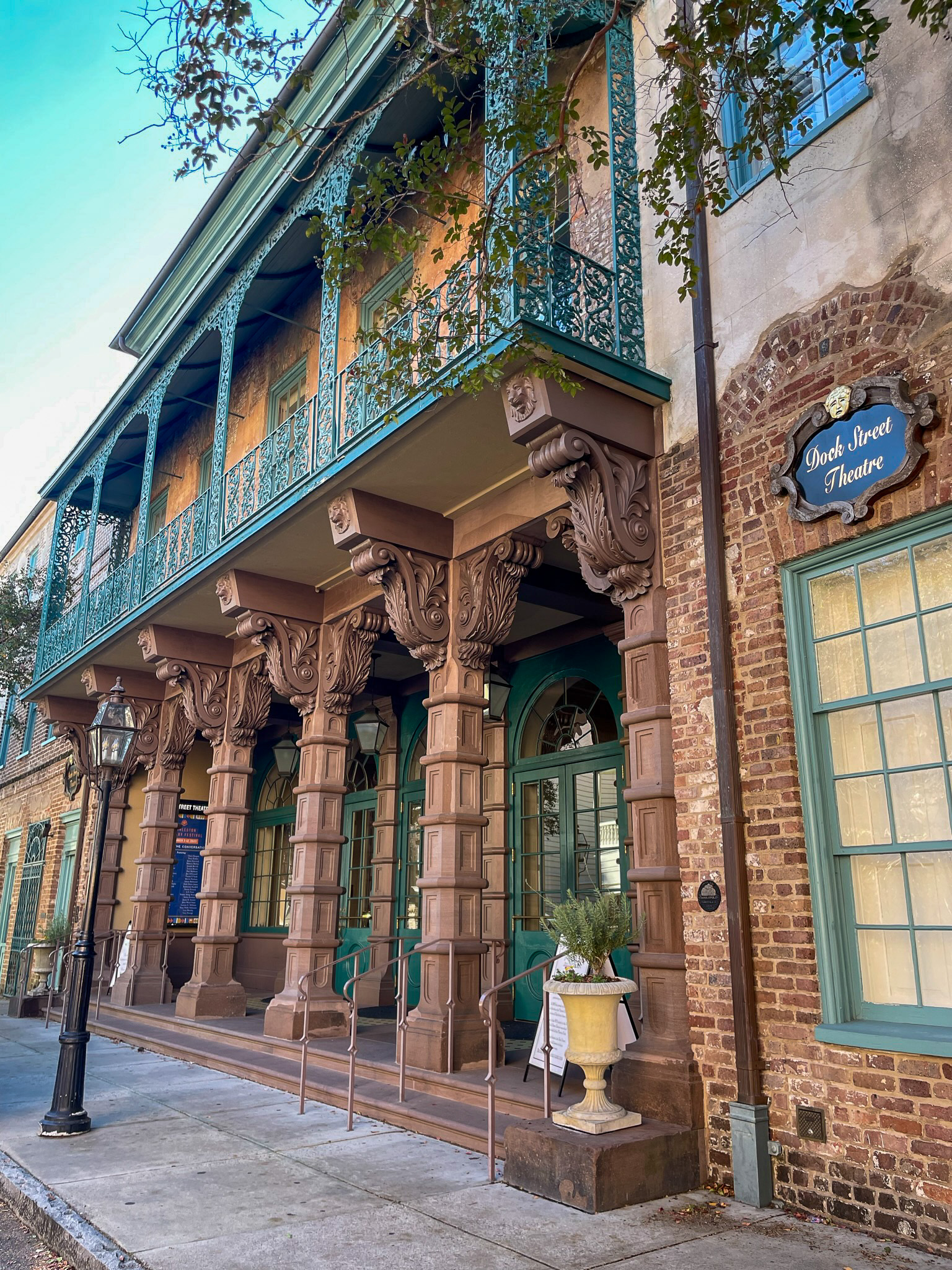
Dock Street Theatre
Built on the site of America’s first theater devoted exclusively to theatrical performances, Dock Street Theatre remains one of Charleston’s most atmospheric cultural experiences.
Located within the French Quarter, the beautifully restored theater hosts plays, musicals, and performances inside a setting where historic architecture becomes part of the experience itself. Even before the curtain rises, the building quietly reminds visitors that Charleston has long valued storytelling and performance.
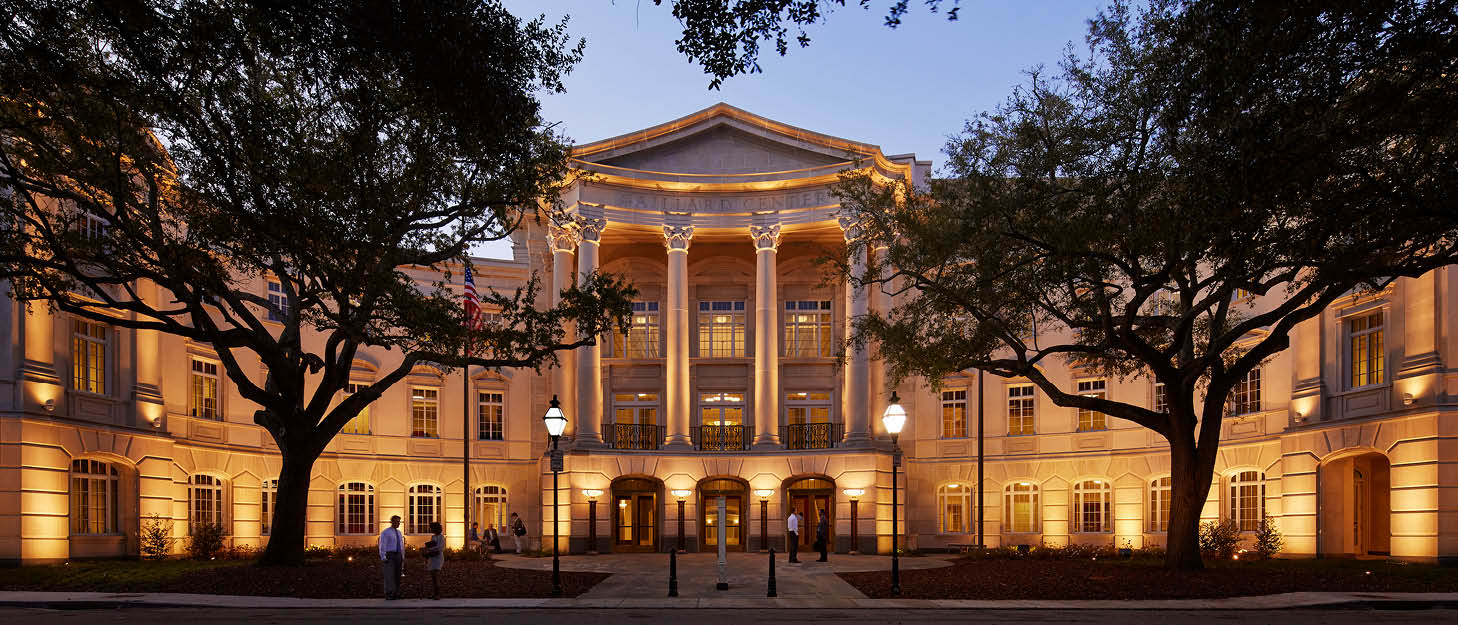
Charleston Gaillard Center
For larger-scale performances, the Charleston Gaillard Center anchors much of the city’s modern cultural life.
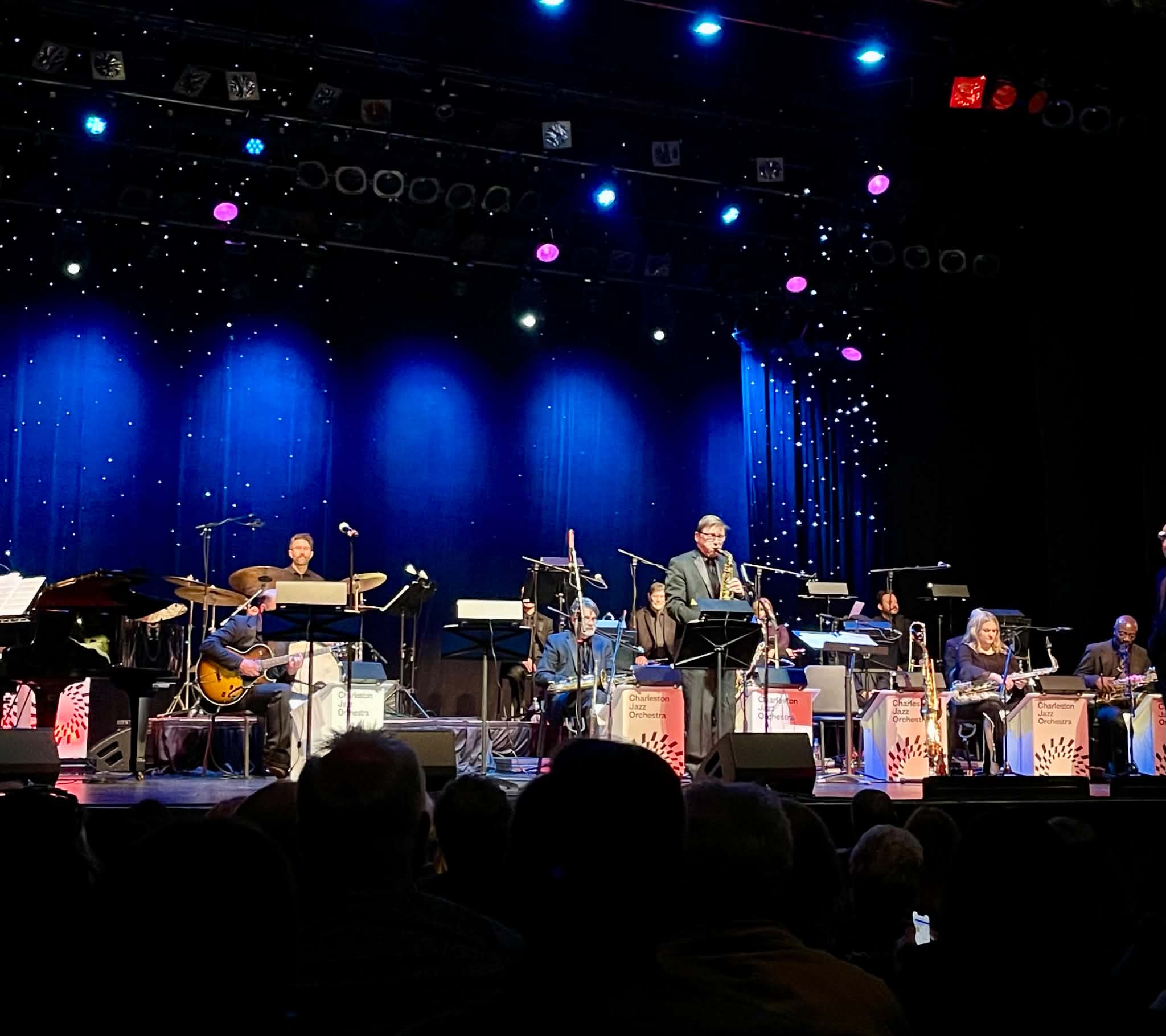
Its calendar includes symphony performances, ballet, jazz, acclaimed touring productions, lectures, and concerts—offering something for nearly every artistic interest while continuing Charleston’s long relationship with music and performance.
Charleston Music Hall
Housed inside a beautifully restored historic building on King Street, Charleston Music Hall offers an intimate venue for concerts, comedy, film screenings, and cultural events throughout the year. Its scale feels refreshingly personal, allowing audiences to experience performances in a setting that feels both historic and approachable.
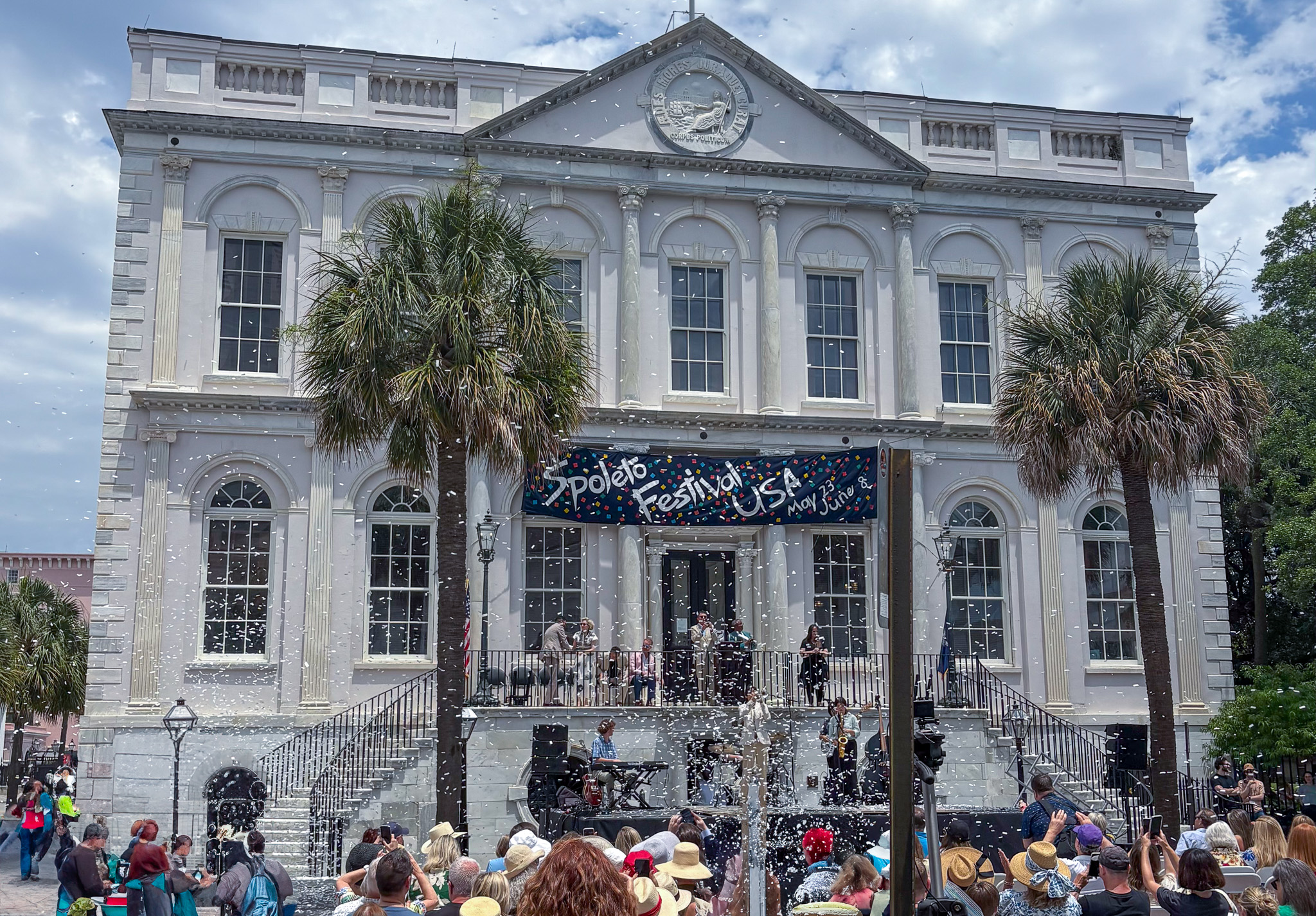
Spoleto Festival USA
Each spring, Charleston transforms. For seventeen days, Spoleto Festival USA and Piccolo Spoleto fill churches, theaters, parks, galleries, and historic spaces with opera, jazz, chamber music, theater, dance, visual art, and conversations that ripple across the city.
Performances unfold beneath church ceilings, in historic theaters, and inside unexpected spaces that make Charleston itself feel like part of the performance. Cafés hum with conversation between artists and audiences. Courtyards linger with post-performance discussion. Music spills into warm evenings.
For culturally curious visitors, Spoleto offers one of the most memorable times to experience Charleston.
Charleston’s culture rarely demands an itinerary. Some afternoons invite galleries and museums, while others lead naturally toward theater lights, music drifting from historic spaces, or quiet moments of discovery along streets shaped by centuries of creativity. Whether through art, performance, architecture, or conversation, Charleston rewards those willing to linger a little longer.
Frequently Asked Questions
Many visitors begin with the Gibbes Museum of Art, Charleston Museum, and the International African American Museum. Together, they offer insight into Charleston’s artistic, historical, and cultural identity.
Very much so. Charleston supports a thriving arts community through galleries, museums, theater, live music, festivals, and cultural institutions that reflect both historic traditions and contemporary creativity.
Charleston’s French Quarter and Broad Street neighborhoods are home to many of the city’s most beloved galleries, including Robert Lange Studios, Meyer Vogl Gallery, and Reinert Fine Art.
Spoleto Festival USA is Charleston’s internationally recognized annual arts festival featuring opera, jazz, theater, chamber music, dance, visual arts, and performances held throughout the city each spring.
Continue Exploring Charleston
Every stay at Wentworth Mansion® offers an opportunity to discover another side of Charleston. Explore our collection of curated guides for insider recommendations, local favorites, and memorable experiences throughout the Holy City.