

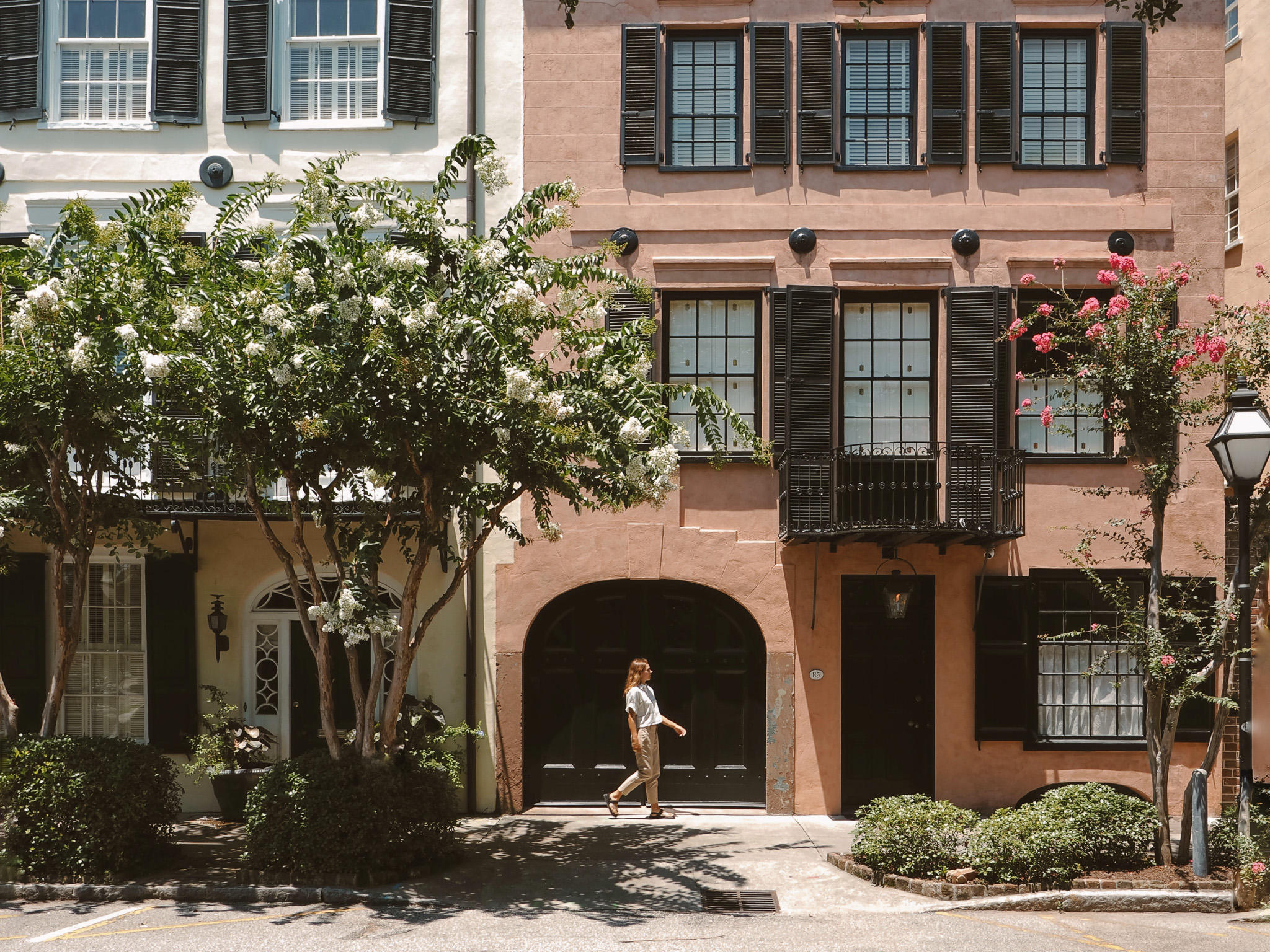
A History Buff's Guide to Charleston
History lingers here in ways both grand and quietly unexpected—in church steeples rising above the skyline, worn stone pathways tucked between centuries-old buildings, hidden alleys softened by ivy, and homes that have witnessed generations of Charleston life unfold. Around nearly every corner, stories remain waiting to be noticed.
For travelers drawn to history, Charleston offers far more than landmarks to admire. It invites curiosity. A slower pace. Time to wander beyond the obvious and step inside places where craftsmanship, preservation, and memory still shape the rhythm of daily life.
Whether your interests lean toward Revolutionary history, sacred spaces, hidden passageways, architectural detail, or the city’s enduring traditions, this guide offers a thoughtful place to begin exploring Charleston through the eyes of a history lover.
Historic Tours That Bring Charleston to Life
Charleston rewards wandering, but history often becomes richer when experienced through the stories of those who know the city intimately.
For travelers eager to understand what lies beneath Charleston’s beautiful facades, guided experiences can reveal the details easily missed at first glance: piazzas designed to capture ocean breezes, churchyards layered with centuries of memory, harbor views tied to trade and conflict, and streets whose names still echo the city’s earliest chapters.
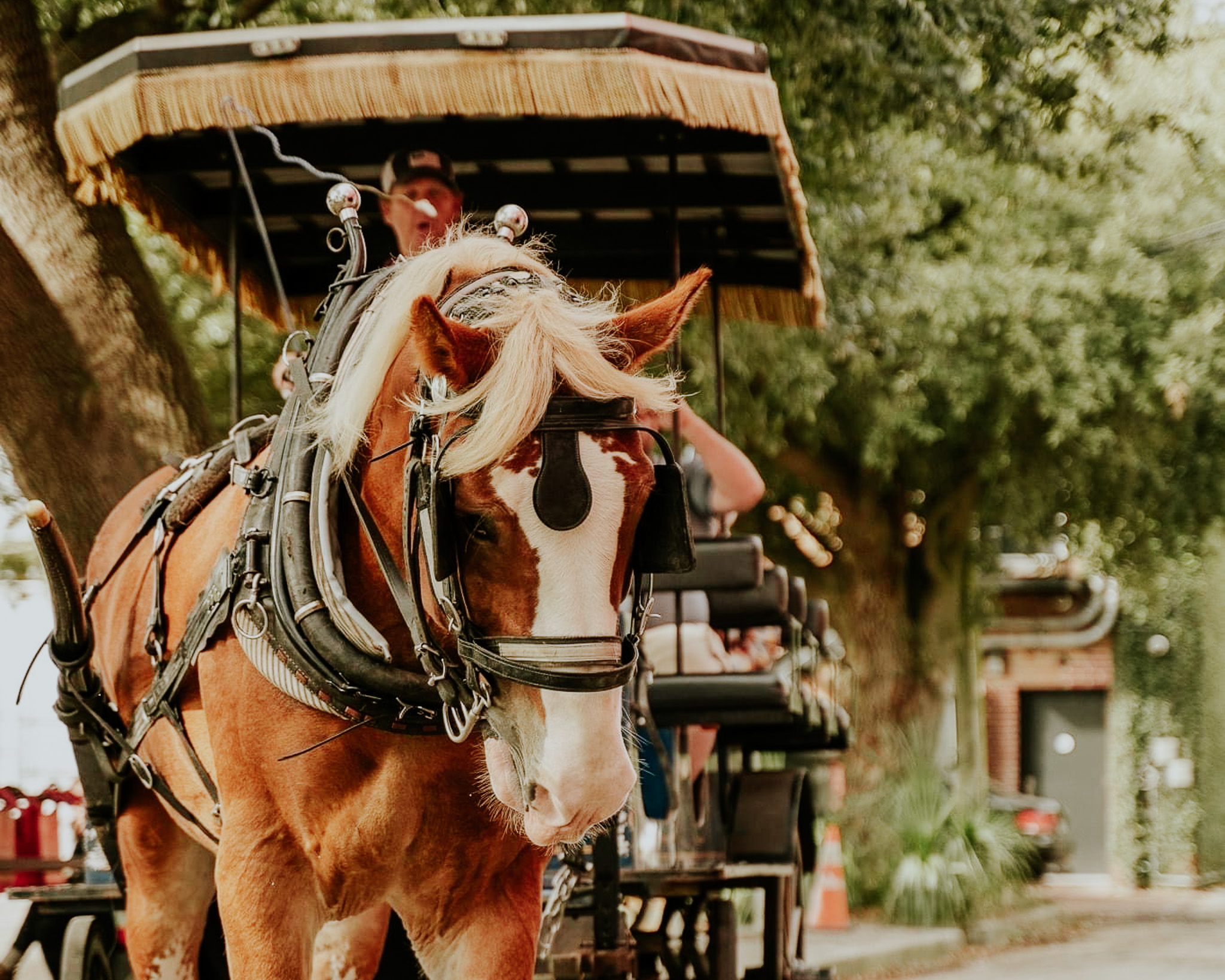
Historic Carriage Tours
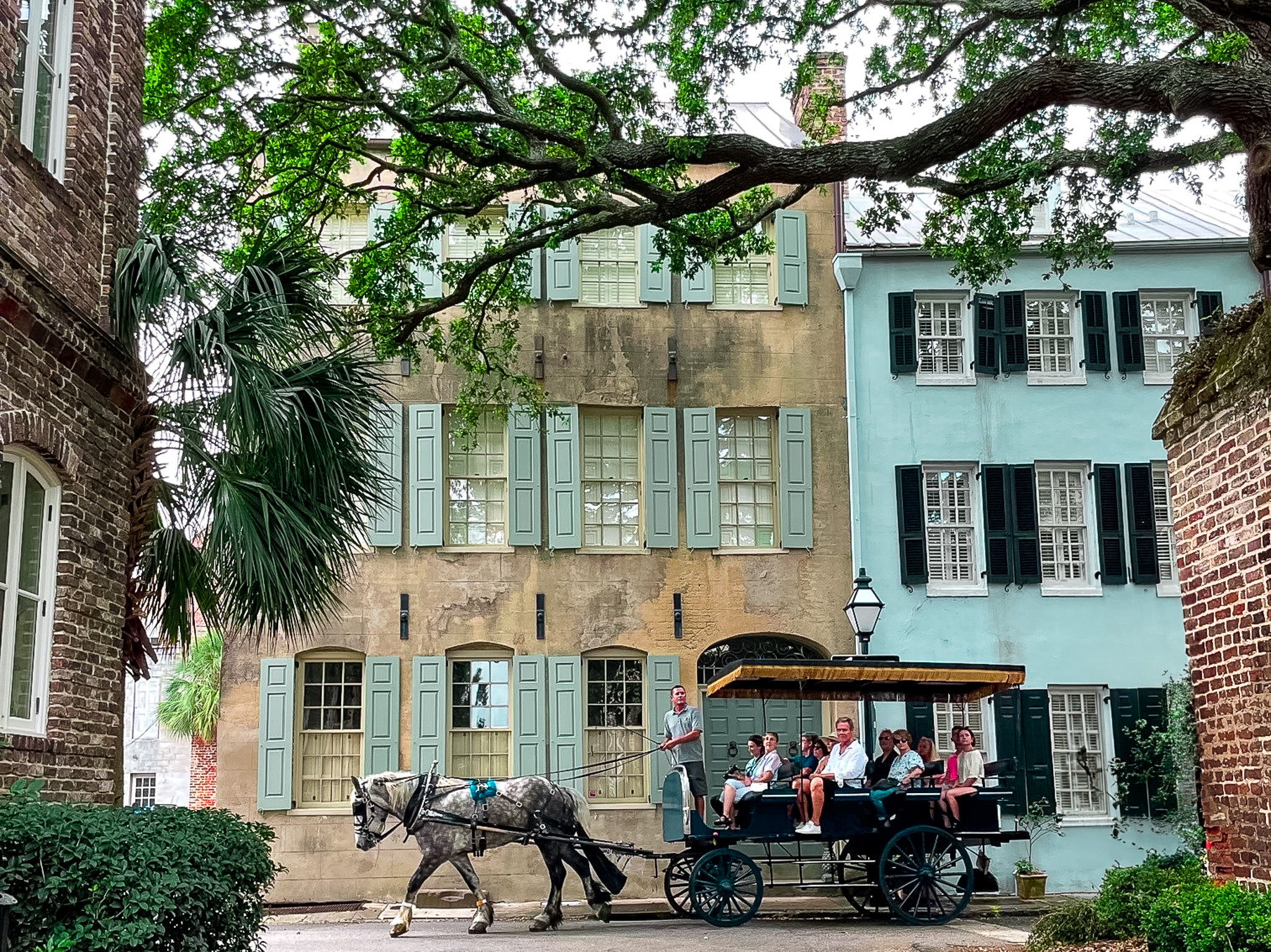
A carriage ride through Charleston’s Historic District offers one of the most memorable introductions to the city’s layered past. Moving slowly beneath live oaks and past centuries-old homes, visitors gain a deeper understanding of Charleston’s architecture, preservation, and evolving identity through stories shared by licensed guides.
Among the city’s most recognized experiences, Palmetto Carriage Works offers narrated tours led by licensed guides who share stories of Charleston’s history, architecture, and changing neighborhoods while traveling through the Historic District at an unhurried pace. For first-time visitors especially, a carriage tour often provides valuable historical context that makes later walks through the city feel richer and more meaningful.

Historic Walking Tours
History-focused walking tours allow travelers to move at a slower pace while uncovering stories tucked quietly between grand facades and hidden corners. Depending on the route, guests may encounter Revolutionary landmarks, churchyards, preserved homes, hidden alleys, and architectural details that reveal how Charleston evolved over centuries.
For travelers interested in Charleston’s more layered stories, Bulldog Tours offers a range of history-focused experiences led by knowledgeable guides, from explorations of the city’s earliest foundations to deeper looks at architecture, preservation, and Charleston’s centuries-old streets.

For those interested in more recent chapters of American history, the USS Yorktown offers a compelling look into twentieth-century military service and naval history.
Docked across the harbor at Patriots Point, the historic aircraft carrier invites visitors to explore flight decks, sleeping quarters, exhibits, and preserved spaces that reveal daily life aboard one of America’s most storied naval vessels. Together with neighboring exhibits and memorials, the experience offers meaningful historical perspective extending far beyond Charleston’s colonial foundations.
Defining Moments in Charleston History
For centuries, the city stood at the center of trade, politics, conflict, and cultural change, shaped as much by resilience as prosperity. To walk Charleston today is to move through places where defining moments in American history unfolded—spaces where military strategy, commerce, revolution, and national conflict once converged along the harbor. For history lovers, a handful of sites offer especially meaningful insight into Charleston’s layered past.
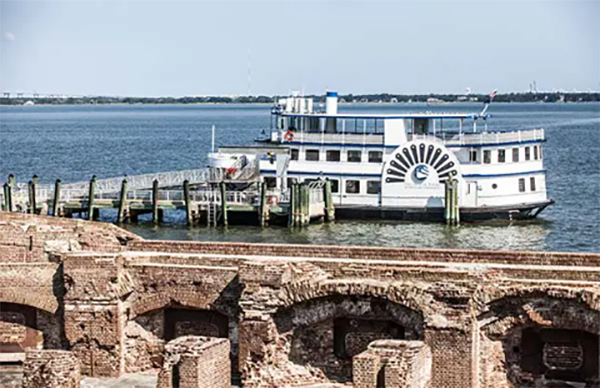
Few experiences place visitors closer to the origins of the Civil War than a visit to Fort Sumter, where the conflict officially began in April 1861.
Reached by boat across Charleston Harbor, the fort offers not only historical significance, but perspective. Standing within the walls of the island fortress, surrounded by water and skyline, visitors gain a fuller understanding of Charleston’s strategic importance and the events that reshaped the nation.
The harbor journey itself offers a beautiful reminder that Charleston’s story has always been inseparable from the sea.
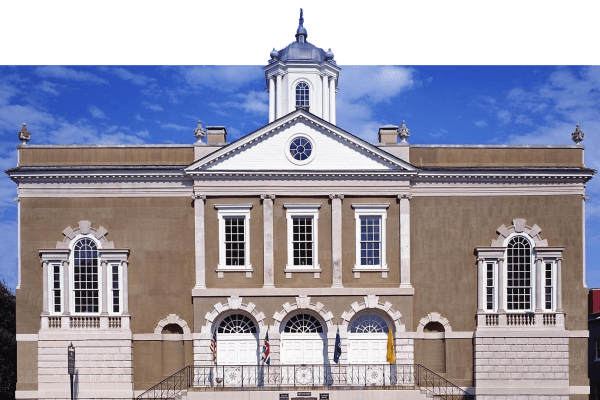
Old Exchange & Provost Dungeon
Standing at the corner of Broad and East Bay Streets, the Old Exchange & Provost Dungeon offers one of Charleston’s most immersive connections to the colonial and Revolutionary eras.
Completed in 1771, the building served many purposes throughout its long history—as a center of commerce, public gathering place, military headquarters, and political meeting site. During the Revolutionary War, British forces used portions of the building to detain prisoners, lending the Provost Dungeon its enduring historical intrigue.
Today, visitors can explore exhibits and preserved spaces that help illuminate Charleston’s role in shaping early America while standing inside one of the city’s most historically significant landmarks.
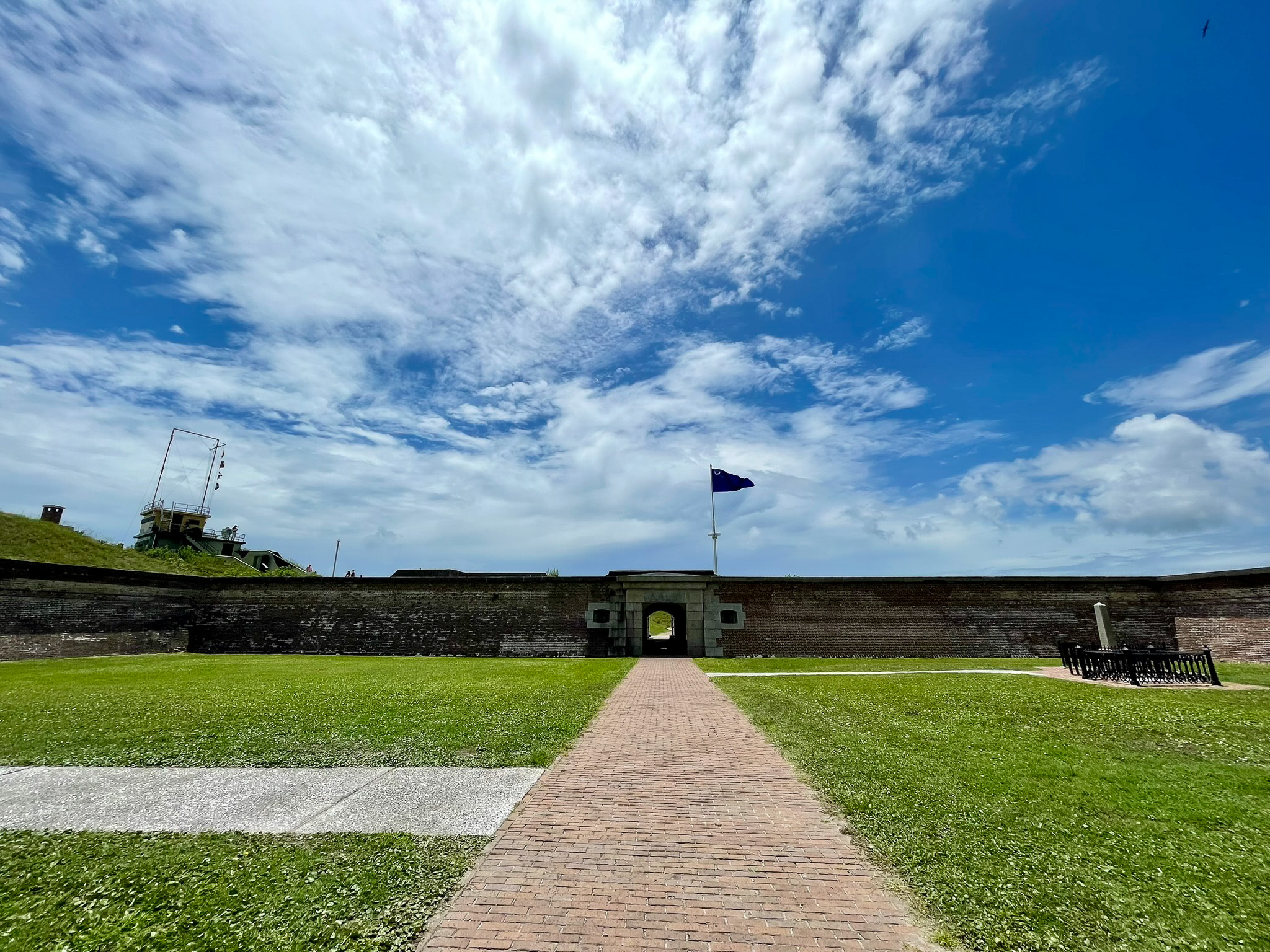
Long before Fort Sumter entered history books, Fort Moultrie stood guard over Charleston Harbor.
Located on Sullivan’s Island, the site traces its origins to the 1776 Battle of Sullivan’s Island, when an unfinished palmetto log fort helped repel the British Navy in a victory that remains one of South Carolina’s defining Revolutionary moments. The fort later evolved through multiple generations of military use, offering visitors a remarkably layered perspective spanning the Revolutionary War, Civil War, and twentieth century.
For travelers interested in military history, few places provide such a sweeping understanding of Charleston’s strategic importance over time.
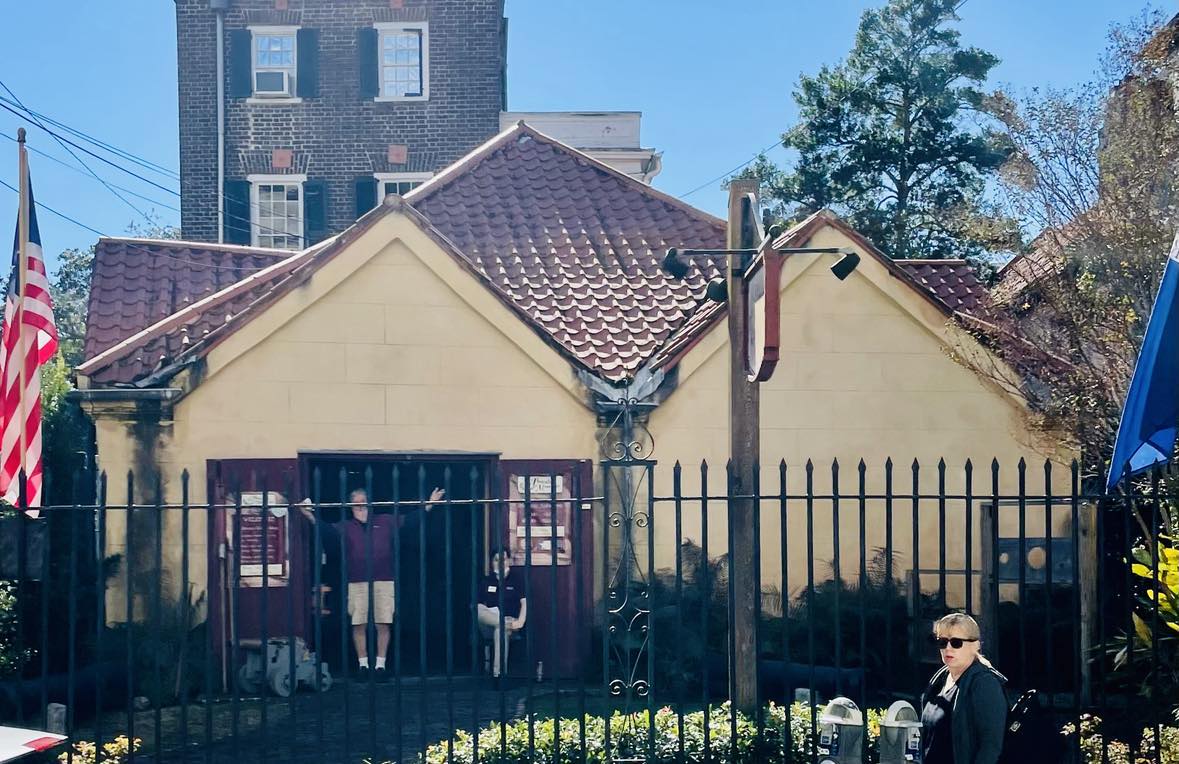
Quietly tucked within Charleston’s Historic District, The Powder Magazine is easy to miss—but especially rewarding for history enthusiasts.
Built in 1713, it is South Carolina’s oldest surviving public building and once served as a secure storage site for gunpowder used to protect colonial Charleston. Thick walls and distinctive architecture still hint at the city’s early concerns with defense and security during an era when Charleston was a growing port city vulnerable to conflict.
Small in scale but rich in historical significance, the site offers an intimate glimpse into Charleston’s earliest military history and colonial foundations.
Historic Churches That Shaped Charleston
Charleston’s nickname, The Holy City, feels immediately understandable once you begin walking its historic streets. Church steeples rise above rooftops throughout downtown, quietly shaping the skyline and telling stories of immigration, faith, craftsmanship, resilience, and community that stretch back centuries. With one of the country’s highest concentrations of historic congregations, Charleston offers history lovers an unusually intimate way to understand how the city evolved.
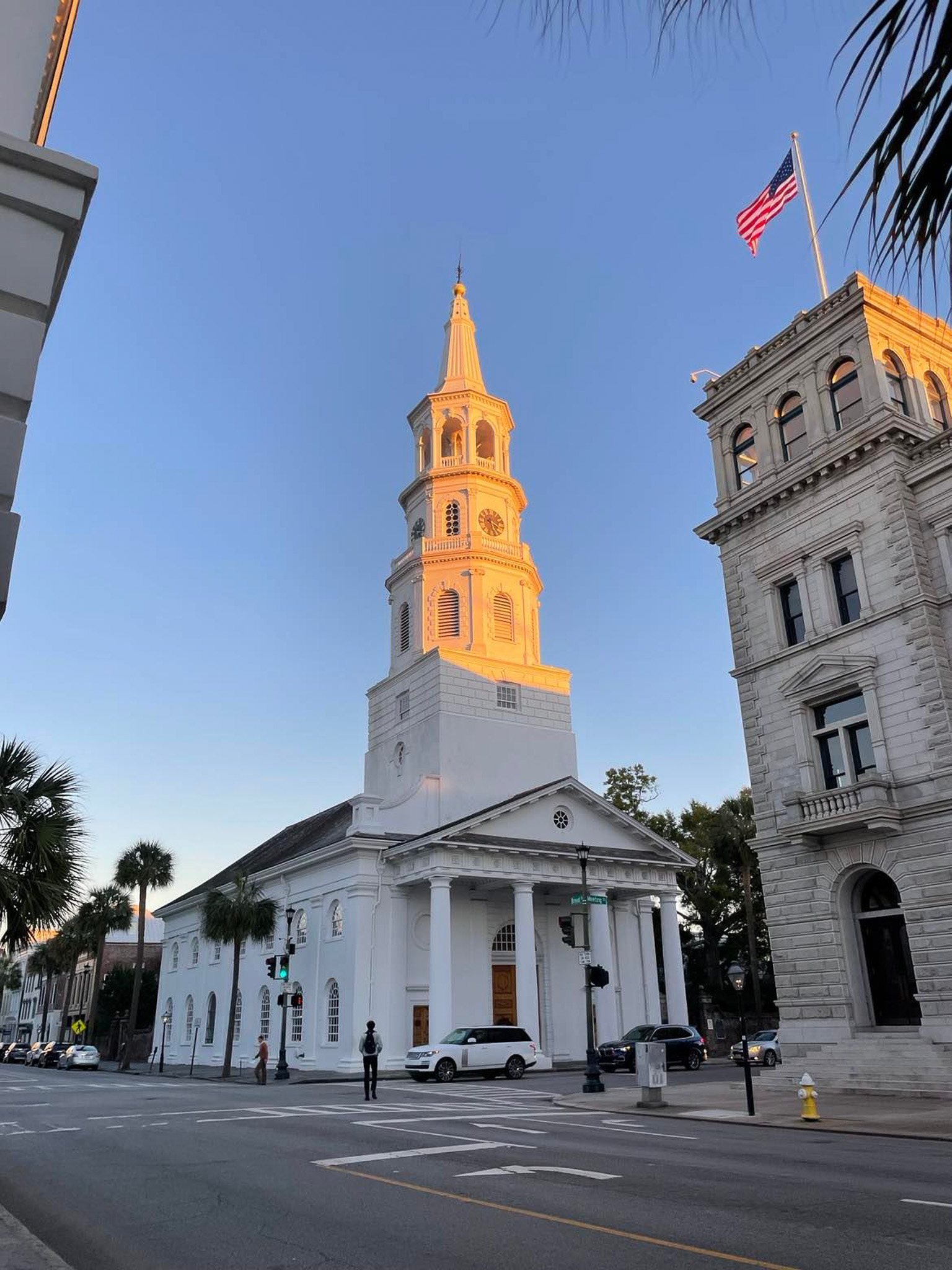
Completed in 1761, St. Michael’s Church remains Charleston’s oldest surviving church building and one of the city’s most recognizable landmarks. Its white steeple has watched over generations of Charleston history, from colonial prosperity and Revolutionary conflict to hurricanes, earthquakes, and preservation efforts that continue today. During his 1791 visit to Charleston, George Washington famously worshipped here, adding yet another chapter to the church’s long story.
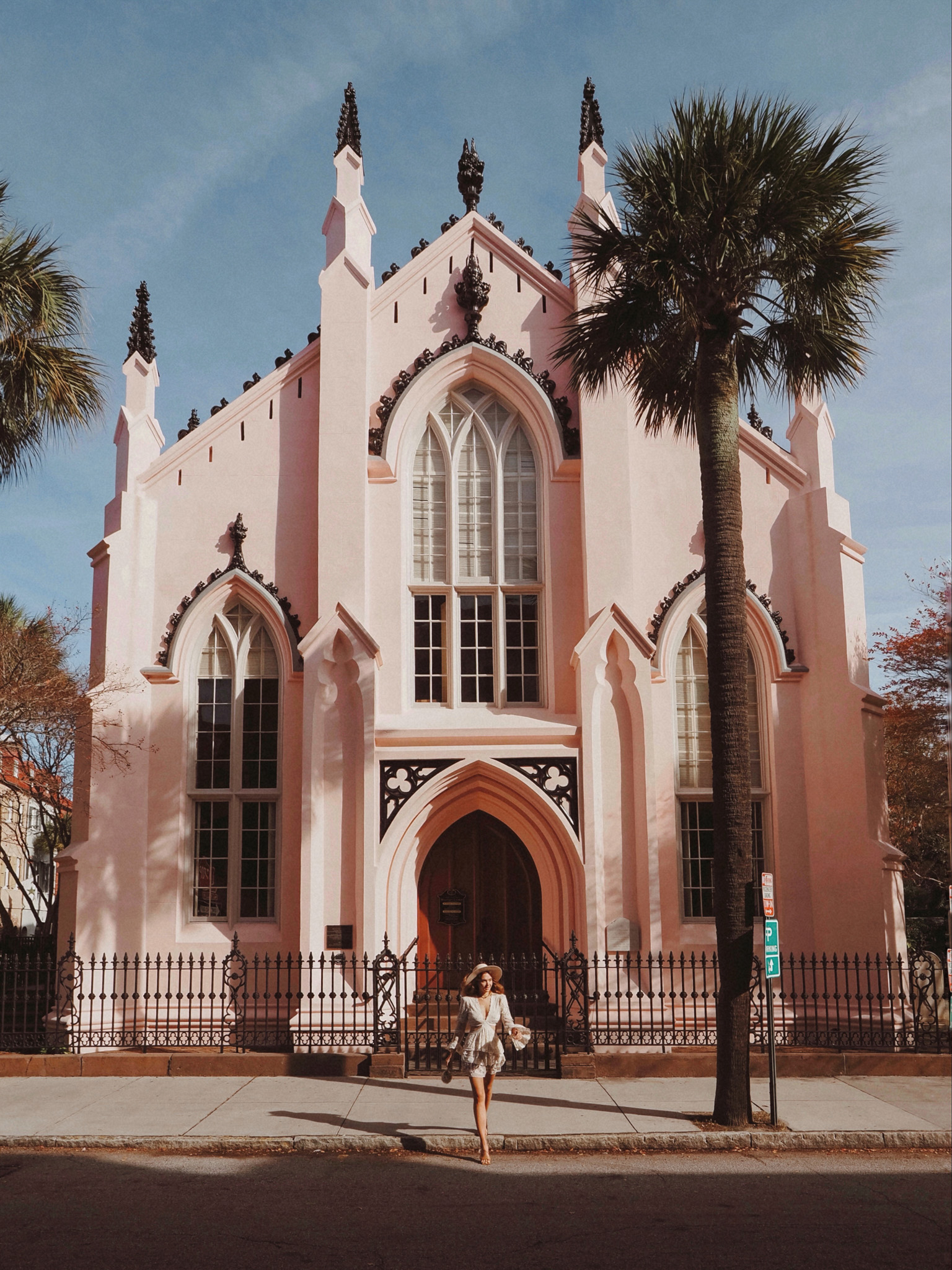
Few buildings feel more distinctly Charleston than the pale Gothic silhouette of the French Huguenot Church tucked within the French Quarter. Built in the 1840s for a congregation whose roots trace back to French Protestant refugees fleeing persecution, the church speaks to Charleston’s long history as a place shaped by migration, trade, and layered cultural influence. Even viewed from the street, its intricate Gothic Revival details make it one of the city’s most memorable landmarks
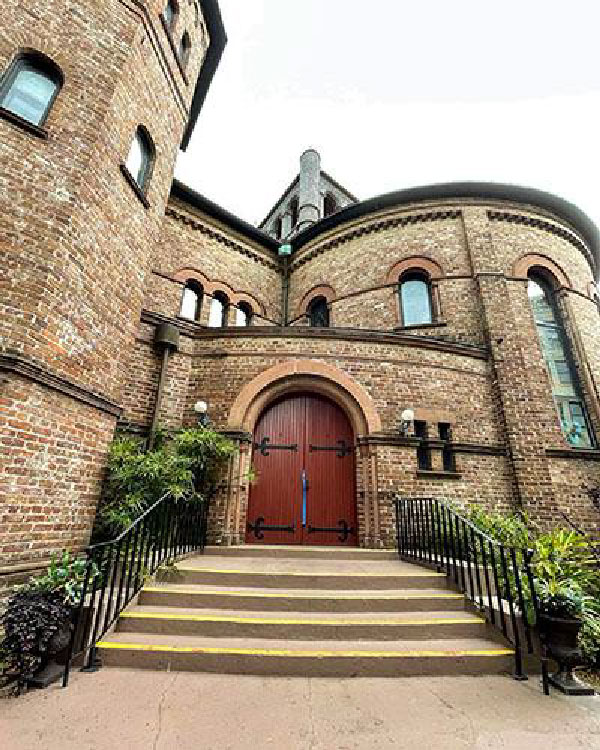
Circular Congregational Church
Founded in the late seventeenth century, Circular Congregational Church reflects some of Charleston’s earliest colonial history. While the present sanctuary dates later, the congregation itself traces back to the original Charles Towne settlement. Its quiet cemetery and shaded grounds invite lingering and reflection, offering one of the Historic District’s most peaceful places to pause between sightseeing.
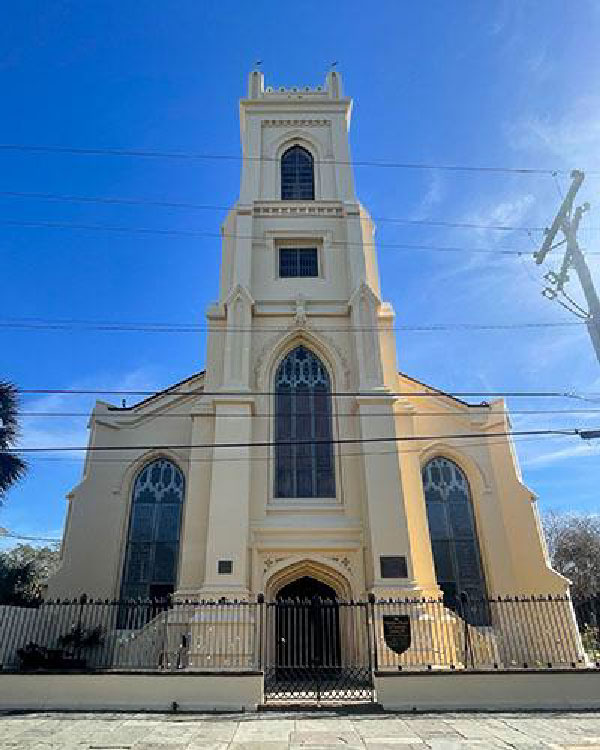
Unitarian Church in Charleston
Tucked discreetly behind gates near King Street, the Unitarian Church offers something quieter still. Known for its romantic churchyard and beautiful Gothic architecture, the grounds feel unexpectedly secluded—a place where gardens, weathered stone, and filtered light create a rare sense of stillness in the center of the city. Visitors often stumble upon it while exploring Charleston on foot and find themselves lingering longer than planned.
Hidden Alleys & Quiet Passages
Some of the city’s most memorable historic moments happen not along grand boulevards, but in the quieter spaces between them—narrow lanes softened by ivy, weathered brick paths, churchyard passages, and hidden corners where centuries of Charleston life feel unexpectedly close. Wandering these quieter spaces offers a different understanding of the city, one shaped less by landmarks and more by atmosphere, craftsmanship, and stories waiting quietly in plain sight.
For travelers drawn to Charleston’s layered history, a few passages are especially worth seeking out.
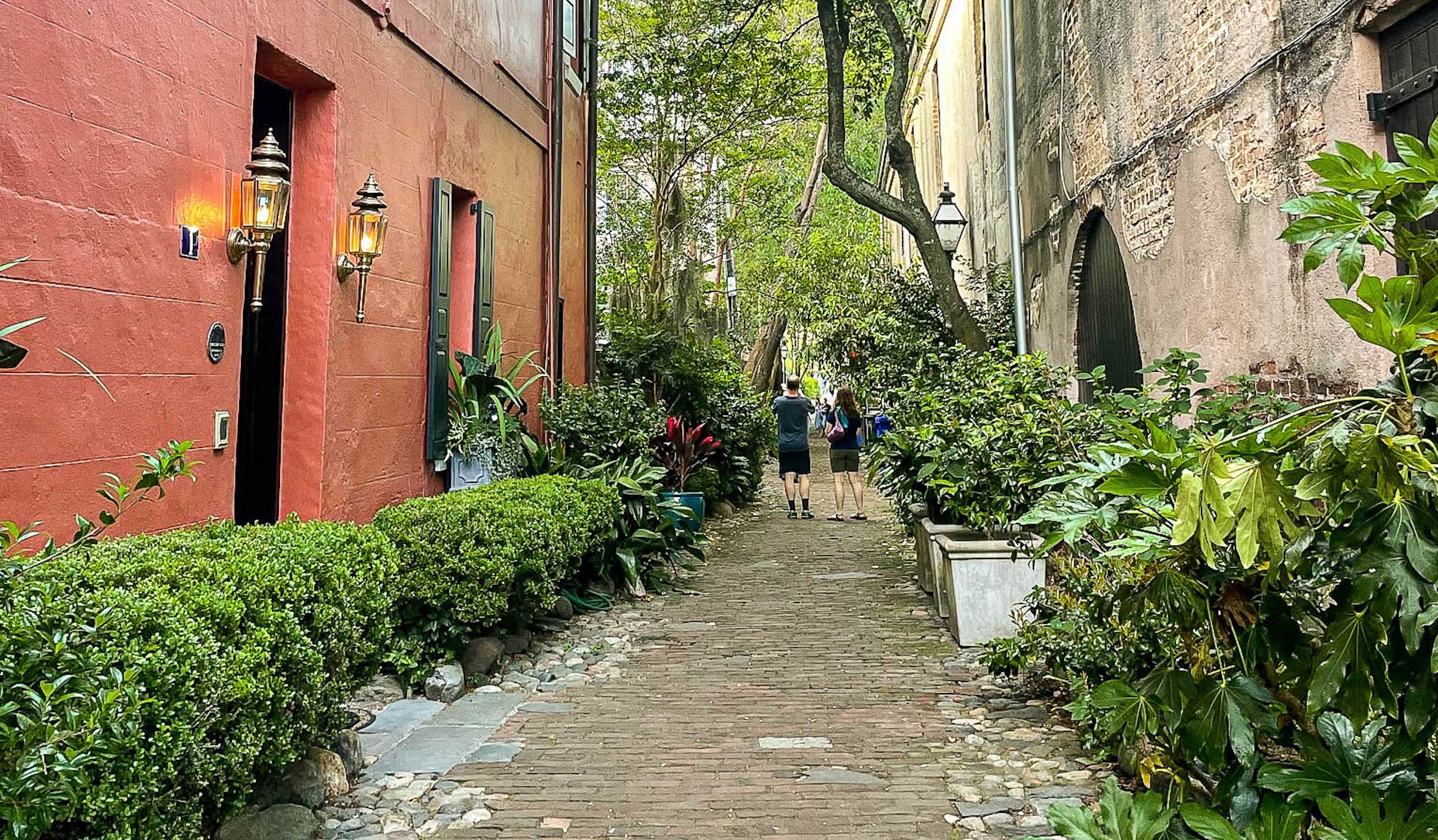
Tucked within Charleston’s French Quarter, Philadelphia Alley feels suspended somewhere between history and legend. Lined with brick, gas lanterns, and historic facades, the alley has witnessed centuries of Charleston life and is perhaps best known for stories of duels said to have taken place here in the eighteenth and nineteenth centuries. Whether folklore or fact, the lane captures something essential about Charleston: beauty often paired with mystery and history rarely reduced to a single story. Today, Philadelphia Alley offers one of downtown Charleston’s most atmospheric strolls, especially in the quieter hours of morning or early evening.
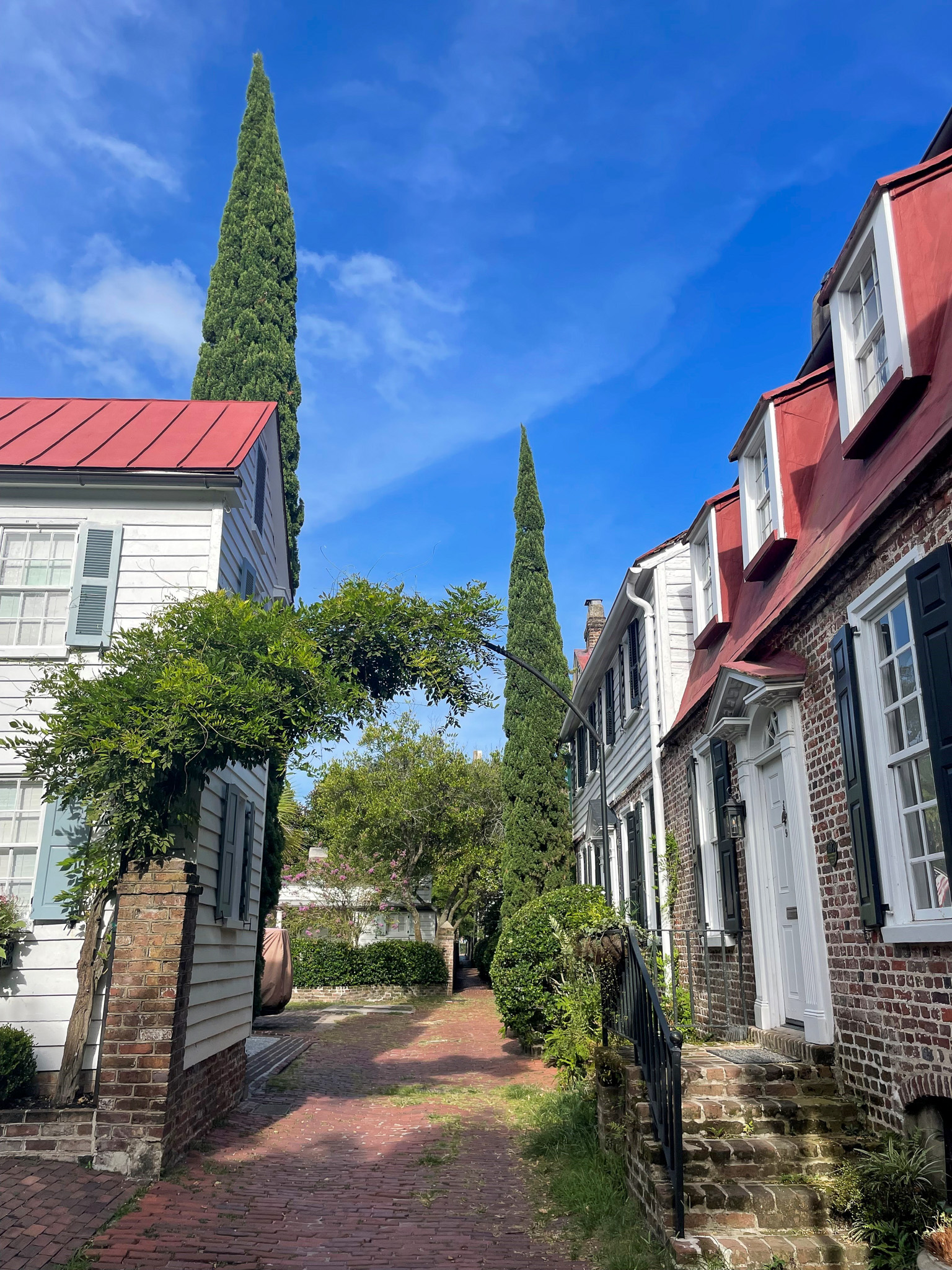
Hidden behind gates near East Bay Street, this narrow passageway offers an intimate glimpse into the craftsmanship and layered beauty that define Charleston’s historic neighborhoods. Brick walkways, ivy-covered walls, gas lanterns, and intricate ironwork quietly reveal themselves with every step.
History lovers will also notice details shaped by Charleston artisan traditions, including decorative ironwork associated with the legacy of famed blacksmith Philip Simmons. More than simply picturesque, Stoll’s Alley feels like a reminder that Charleston’s beauty has always been built slowly, thoughtfully, and by hand.
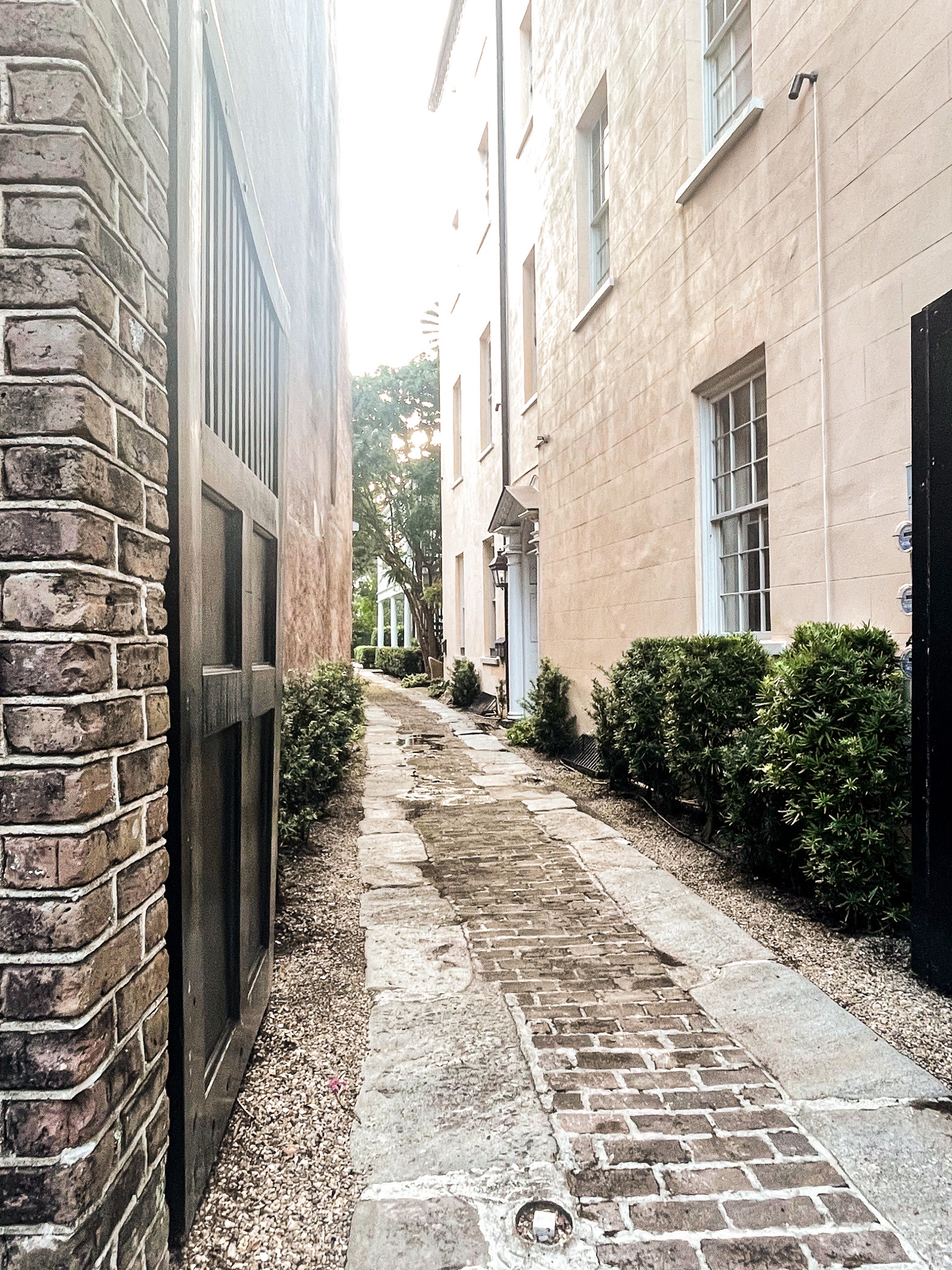
Running quietly between East Bay and Church Street, Longitude Lane offers a subtle reminder of Charleston’s deep relationship with maritime trade and navigation.
Its name reflects Charleston’s centuries-long connection to seafaring commerce, when ships carried goods, ideas, and cultures through one of colonial America’s busiest ports. Though modest in scale, the lane invites visitors to imagine the Charleston that once revolved around the harbor—the movement of merchants, sailors, and goods shaping the city’s prosperity. Today, it feels wonderfully hidden, rewarding travelers who slow their pace and notice details others might pass by.
For travelers interested in Charleston’s oldest residential history, Bedon’s Alley offers another fascinating detour.
Dating back to the eighteenth century, the lane winds quietly through one of Charleston’s oldest neighborhoods, where historic outbuildings, hidden gardens, and carefully preserved homes hint at generations of city life unfolding behind garden walls. Nearby, traces of Charleston’s mercantile history and social traditions remain woven into the surrounding streetscape.
Historic Homes Worth Exploring
Charleston’s history is perhaps best understood not only through churches, public buildings, or monuments, but through the homes that quietly witnessed generations of city life unfold. Behind garden walls and beneath sweeping piazzas, Charleston’s historic houses reveal stories of craftsmanship, family life, commerce, preservation, and social change—offering visitors the rare opportunity to step inside spaces shaped by centuries of lived experience. For travelers drawn to architecture, interiors, and Charleston’s layered past, a handful of homes feel especially rewarding to explore.
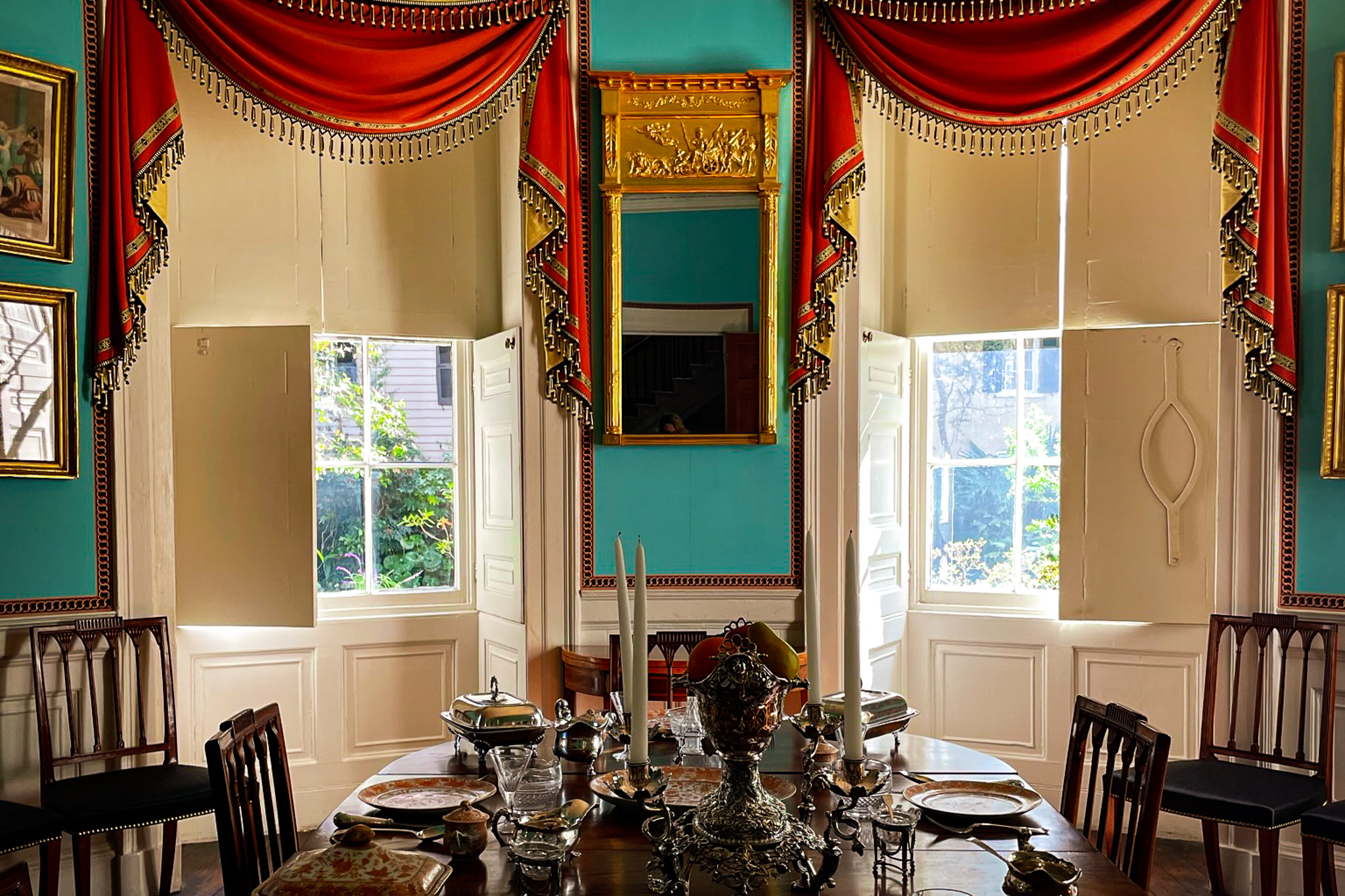
Among Charleston’s most celebrated historic homes, the Nathaniel Russell House offers a remarkable glimpse into early nineteenth-century life and craftsmanship.
Completed in 1808 for prosperous merchant Nathaniel Russell, the house is perhaps best known for its graceful free-floating spiral staircase—an architectural detail often considered one of Charleston’s finest. Elegant formal rooms, decorative plasterwork, and carefully preserved interiors reveal the refinement and artistry that defined Charleston’s merchant class during the Federal period.
For visitors interested in architecture and preservation, it offers one of the city’s most beautifully interpreted house museum experiences.
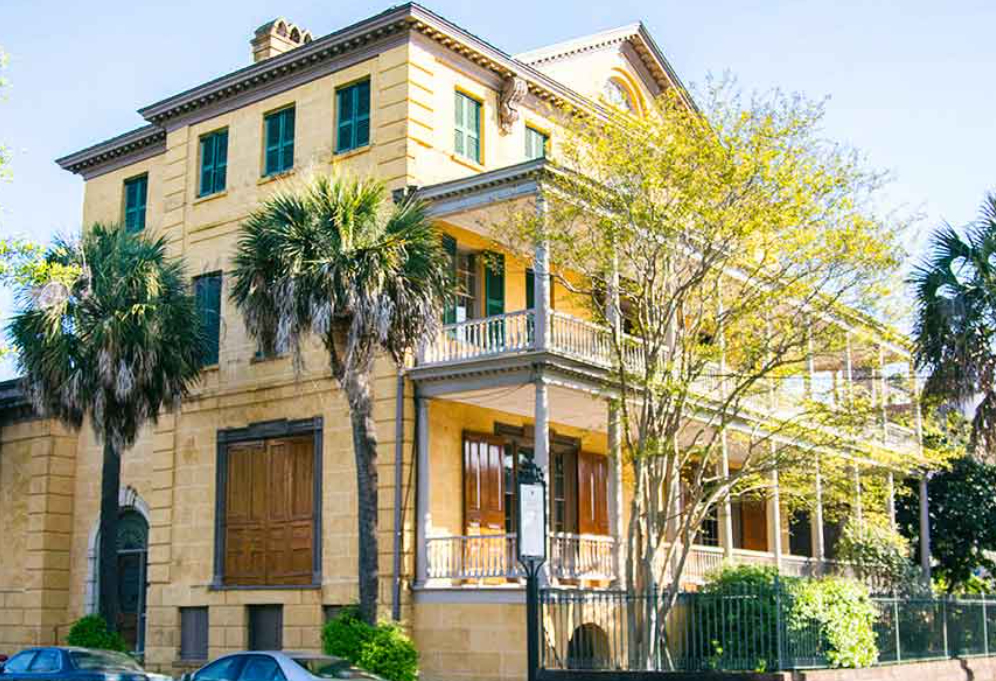
Where some historic homes feel carefully polished, the Aiken-Rhett House feels strikingly honest.
Rather than restoring every room to perfection, preservation efforts here intentionally reveal layers of time, allowing visitors to encounter worn finishes, original materials, and traces of everyday life that unfolded across generations. Once home to influential governor and businessman William Aiken Jr., the property offers an unusually immersive understanding of nineteenth-century Charleston—including the realities of labor, social hierarchy, and domestic life.
For serious history enthusiasts, it is often one of Charleston’s most memorable and thought-provoking experiences.
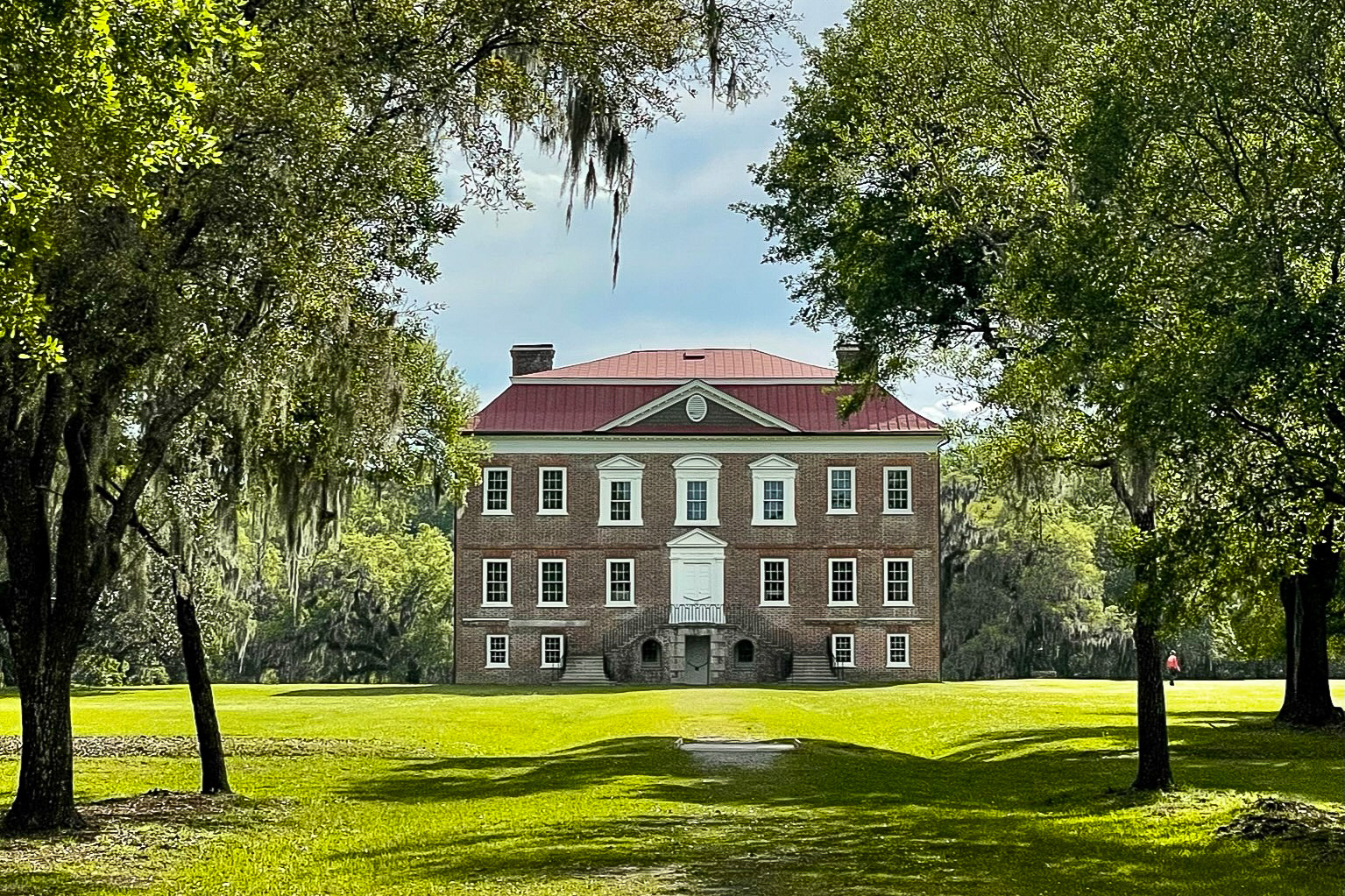
Located just outside the peninsula beneath sweeping oaks and overlooking the Ashley River, Drayton Hall offers one of the nation’s most extraordinary examples of preserved Georgian-Palladian architecture.
Built in 1738 and remarkably spared from modernization, the house remains intentionally unrestored, allowing visitors to encounter centuries of craftsmanship in a way that feels unusually authentic. Unlike many historic homes, Drayton Hall reveals its age openly—weathered surfaces, hand craftsmanship, and architectural details quietly telling their own story.
The setting itself feels timeless, inviting visitors to slow down and imagine Charleston’s earliest landscape long before modern development transformed the region.
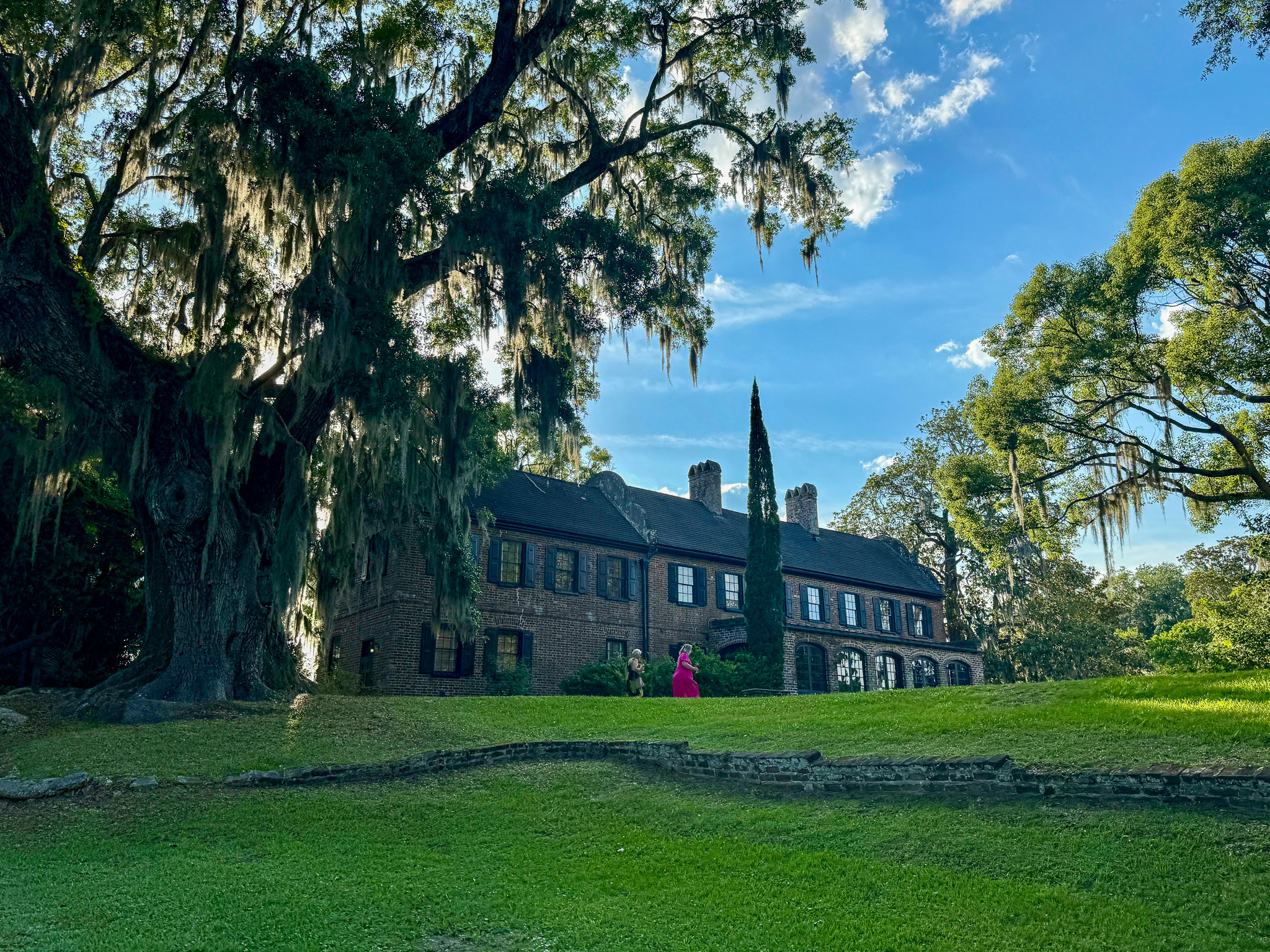
Set along the Ashley River beneath ancient live oaks, Middleton Place offers one of Charleston’s most layered and visually striking historic experiences.
Best known for America’s oldest landscaped gardens, the property invites visitors to experience Charleston history through architecture, landscape, and lived experience rather than preservation alone. The house museum, grounds, and interpretive spaces tell stories spanning generations of South Carolina history, from colonial prosperity and the Revolutionary era to the realities of plantation life and cultural change.
Charleston rarely reveals itself all at once. Some moments invite wandering—a pause beneath a church steeple, a quiet alley discovered unexpectedly, or an afternoon spent lingering inside rooms shaped by centuries of history. Whether drawn by architecture, preservation, or stories that continue to echo through the city’s streets, Charleston offers history lovers something increasingly rare: the chance to slow down and step meaningfully into the past.
Frequently Asked Questions
Charleston offers an extraordinary concentration of historic places, from centuries-old churches and preserved homes to military landmarks and quiet hidden streets. For many history lovers, highlights include Fort Sumter, Fort Moultrie, the Old Exchange & Provost Dungeon, St. Michael’s Church, Middleton Place, and Charleston’s beautifully preserved Historic District, where history unfolds block by block. Charleston’s churches, homes, and harbor sites together offer one of the richest historical experiences in the American South.
Very much so. Charleston is often described as a living museum, where centuries of American history remain visible through architecture, churchyards, historic homes, military landmarks, preserved streets, and cultural traditions. From colonial Charleston and the Revolutionary era to the Civil War and Gilded Age craftsmanship, the city offers remarkable historical depth in a setting designed to be explored slowly on foot.
Charleston offers several excellent history-focused tours depending on your interests. Many visitors enjoy guided walking experiences through the Historic District to better understand architecture, preservation, churches, hidden alleys, and Charleston’s layered history. Guided experiences from local companies such as Bulldog Tours can help reveal stories easily missed while exploring independently.
For travelers interested in American history, Fort Sumter is often considered one of Charleston’s most meaningful experiences. Reached by boat across Charleston Harbor, the site marks where the first shots of the Civil War were fired in 1861. Beyond its historical importance, the harbor journey itself offers perspective on Charleston’s strategic relationship to the water and the events that shaped the city and nation.
For architecture and history enthusiasts, several homes offer especially rewarding experiences. The Nathaniel Russell House reveals Federal-era craftsmanship and elegant interiors, Aiken-Rhett House provides a more layered and preserved view of nineteenth-century Charleston life, while Middleton Place and Drayton Hall offer deeper historical context just beyond the peninsula.
Continue Exploring Charleston
Every stay at Wentworth Mansion® offers an opportunity to discover another side of Charleston. Explore our collection of curated guides for insider recommendations, local favorites, and memorable experiences throughout the Holy City.